


A diabetes medical management plan combines medication, diet, exercise, and monitoring to control blood sugar levels. Regular checkups and healthy lifestyle choices it helps prevent complications and support long-term health and overall well-being.
Understanding Diabetes and Its Types
Diabetes is a condition that affects how the body processes blood sugar or glucose. The three main types include Type 1, Type 2, and gestational diabetes. Each type requires a slightly different approach, but every diabetes medical management plan focuses on maintaining balanced blood sugar levels. Type 1 diabetes is an autoimmune condition where the body does not produce insulin, while Type 2 is often linked to lifestyle factors and insulin resistance. Gestational diabetes occurs during pregnancy and usually resolves afterward. Understanding your specific type is crucial because it determines the medications, diet, and monitoring methods needed. A clear diagnosis helps create a targeted diabetes medical management plan that ensures better long-term outcomes.
Importance of Blood Sugar Monitoring
Regular blood sugar monitoring is a cornerstone of any effective diabetes medical management plan. Checking glucose levels helps individuals understand how food, activity, and medication affect their body. It also allows early detection of dangerous highs (hyperglycemia) or lows (hypoglycemia). Many people use glucometers or continuous glucose monitoring systems to track their levels throughout the day. Keeping a record of these readings provides valuable insights for both patients and healthcare providers. This data can be used to adjust treatment plans and improve control. Consistent monitoring not only helps prevent complications but also builds confidence in managing diabetes on a daily basis.
Role of Medication in Diabetes Care
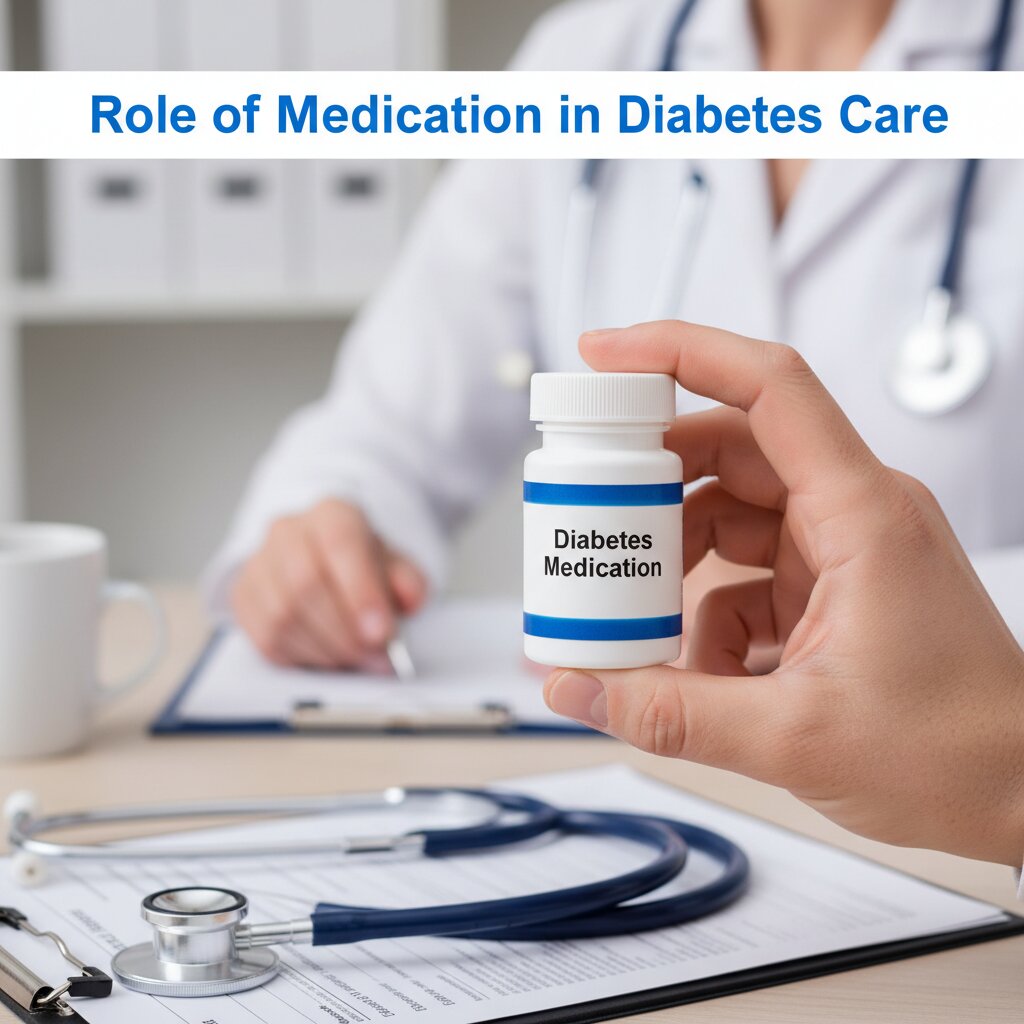 Medication plays a vital role in maintaining stable blood sugar levels within a diabetes medical management plan. Depending on the type of diabetes, treatment may include insulin injections or oral medications that improve insulin sensitivity. It is important to take medications exactly as prescribed to avoid fluctuations in glucose levels. Skipping doses or incorrect usage can lead to serious health risks. Regular consultations with a healthcare provider ensure that medications remain effective over time. As the body changes, adjustments may be necessary. A proper diabetes medical management plan always includes medication guidance, ensuring safe and consistent use for optimal health outcomes.
Healthy Diet and Nutrition Planning
A balanced diet is a key component of a successful diabetes medical management plan. Foods directly impact blood sugar levels, making it essential to choose wisely. A healthy diet typically includes whole grains, lean proteins, healthy fats, and plenty of vegetables. Reducing sugar intake and avoiding processed foods can significantly improve glucose control. Portion control is equally important, as overeating—even healthy foods—can raise blood sugar levels. Meal timing also plays a role in maintaining stability throughout the day. Consulting a nutritionist can help create a personalized plan that suits individual needs. A well-planned diet supports energy levels and long-term health.
Importance of Regular Physical Activity
Exercise is a powerful tool in any diabetes management plan. Physical activity helps the body use insulin more efficiently, lowering blood sugar levels naturally. Activities such as walking, jogging, cycling, or even light stretching can make a significant difference. Regular exercise also supports weight management, which is especially important for individuals with Type 2 diabetes. It is recommended to engage in at least 30 minutes of moderate activity most days of the week. However, it’s important to monitor blood sugar levels before and after exercise to avoid sudden drops. Consistency is key, as regular movement contributes to better overall health.
Managing Stress and Mental Health
 Stress can have a direct impact on blood sugar levels, making it an important factor in a diabetes medical management plan. When stress levels rise, the body releases hormones that can increase glucose levels. Over time, chronic stress may make diabetes harder to control. Managing stress through relaxation techniques such as meditation, deep breathing, or yoga can be beneficial. Mental health is equally important, as living with a chronic condition can be emotionally challenging. Seeking support from friends, family, or professionals can help reduce anxiety and improve overall well-being. A balanced emotional state supports better physical health and diabetes control.
Daily Routine for an Effective Diabetes Medical Management Plan
Creating a consistent daily routine is essential for maintaining a successful diabetes medical management plan. A structured schedule helps regulate blood sugar levels and ensures that important tasks like medication, meals, and physical activity are not missed. Consistency reduces sudden spikes or drops in glucose levels and supports long-term stability. A well-balanced routine also improves energy levels and overall productivity. By following a daily plan, individuals can better understand how their bodies respond to different habits. Over time, this routine becomes easier to maintain and plays a key role in preventing complications and improving quality of life.
Key Points:
- Monitor blood sugar at the same times daily
- Take medications as prescribed
- Maintain regular meal timings
- Include physical activity in your schedule
- Stay hydrated throughout the day
| Time | Activity | Purpose |
|---|---|---|
| Morning | Check blood sugar & take meds | Start the day with controlled levels |
| Breakfast | Balanced meal | Maintain steady glucose |
| Midday | Light activity or walk | Improve insulin sensitivity |
| Afternoon | Healthy snack (if needed) | Prevent energy drops |
| Evening | Exercise or relaxation | Support overall health |
| Night | Check blood sugar & dinner | Prepare for a stable overnight |
Regular Medical Checkups and Screenings
Routine medical checkups are essential for maintaining an effective diabetes medical management plan. Regular visits to a healthcare provider help monitor progress and detect any early signs of complications. Tests such as HbA1c, cholesterol levels, and kidney function provide valuable insights into overall health. Eye exams and foot checks are also important, as diabetes can affect these areas over time. Early detection allows for timely intervention, reducing the risk of serious issues. Staying consistent with appointments ensures that the management plan remains up to date and effective. Preventive care plays a major role in long-term diabetes management.
Preventing Diabetes Complications
 One of the main goals of a diabetes medical management plan is to prevent complications. Poorly managed diabetes can lead to serious health issues such as heart disease, nerve damage, kidney problems, and vision loss. Maintaining stable blood sugar levels significantly reduces these risks. Lifestyle choices, including healthy eating, regular exercise, and proper medication use, all contribute to prevention. Awareness of warning signs is also important, as early symptoms can often be managed effectively. Education and proactive care empower individuals to take control of their health. A strong diabetes medical management plan focuses not only on treatment but also on prevention.
Technology and Tools for Diabetes Management
Modern tools and technology have made it easier to follow a diabetes medical management plan effectively. Devices like glucometers and continuous glucose monitors help track blood sugar levels in real time. Mobile apps can store data, remind users to take medication, and even provide dietary suggestions. These tools simplify daily management and reduce the chances of human error. Technology also helps healthcare providers monitor progress remotely and make timely adjustments. Using the right tools not only saves time but also improves accuracy and confidence in managing diabetes consistently.
Key Points:
- Use glucometers for regular monitoring
- Try continuous glucose monitoring systems
- Use mobile apps for tracking and reminders
- Maintain digital health records
- Consult doctors using telehealth services
| Tool/Device | Function | Benefit |
|---|---|---|
| Glucometer | Measures blood sugar levels | Quick and easy monitoring |
| Continuous Glucose Monitor | Tracks glucose in real time | Better trend analysis |
| Mobile Apps | Tracks diet, meds, and activity | Organized management |
| Insulin Pump | Delivers insulin automatically | Reduces manual injections |
| Fitness Tracker | Monitors physical activity | Encourages an active lifestyle |
Creating a Personalized Diabetes Plan
 Every individual is different, which is why a personalized diabetes medical management plan is essential for effective care. Factors such as age, lifestyle, medical history, and personal health goals all play a significant role in shaping the plan. Working closely with healthcare professionals helps ensure that the approach is tailored to meet specific needs and conditions. Personalization may include customized meal plans, structured exercise routines, and carefully planned medication schedules. Flexibility is also important, as the body’s response to treatment can change over time. Regularly tracking progress and setting realistic, achievable goals can boost motivation. A well-designed plan that fits your daily routine is easier to follow and delivers better long-term results.
