

Understanding Low Sodium Diabetic Diet Basics
A low sodium diabetic diet is designed to help manage both blood sugar levels and blood pressure at the same time. Sodium, mostly found in salt and processed foods, can increase the risk of hypertension, which is common among diabetic patients. This diet focuses on balancing carbohydrate intake while reducing excess salt in daily meals. It encourages fresh vegetables, lean proteins, whole grains, and natural herbs instead of packaged seasonings. Reading nutrition labels is also important to identify hidden sodium in foods. When followed consistently, a low sodium diabetic diet supports heart health, stabilizes glucose levels, and improves overall wellness. Over time, it becomes a simple and effective lifestyle approach for better diabetes management and long-term health stability.
Benefits of a Low Sodium Diabetic Diet
Following a low sodium diabetic diet provides several important health benefits, especially for people managing diabetes and high blood pressure together. One of the biggest advantages is improved heart health, as lower sodium intake helps reduce hypertension and the risk of heart disease. It also supports kidney function by reducing strain on these vital organs. Additionally, this diet helps maintain better fluid balance in the body, preventing swelling and fatigue. When combined with controlled carbohydrate intake, it stabilizes blood sugar levels more effectively. Many people also notice improved energy levels and fewer cravings for processed foods. Overall, a low-sodium diabetic diet promotes long-term wellness, reduces complications, and supports a healthier, more active lifestyle with consistent daily habits.
Best Foods to Include in Your Diet
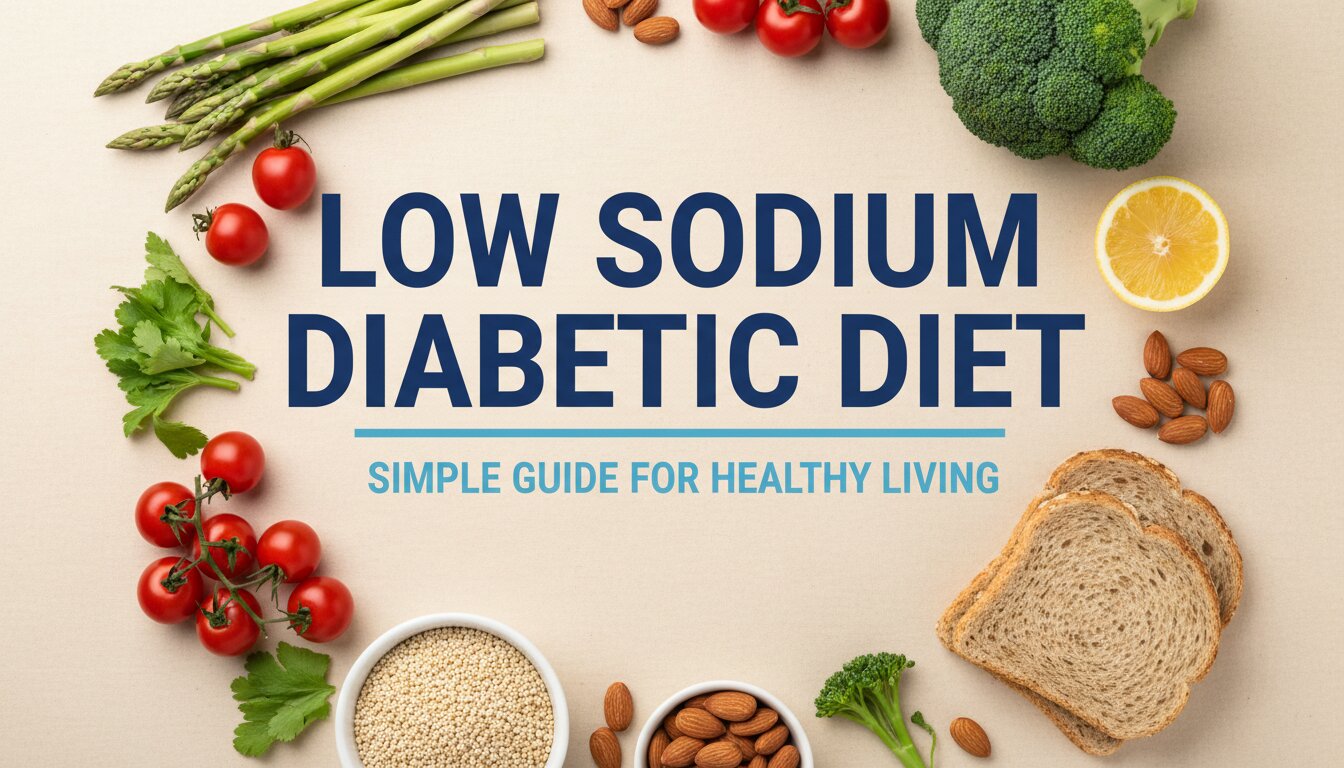
 A low sodium diabetic diet focuses on fresh, natural, and nutrient-rich foods that support both blood sugar and blood pressure control. Vegetables like spinach, broccoli, carrots, and cucumbers are excellent for daily meals. Whole grains such as oats, brown rice, and quinoa provide steady energy and help manage glucose levels. Lean proteins, including chicken, fish, eggs, and legumes, support muscle health without excess sodium. Fresh fruits like apples, berries, and oranges add natural vitamins and fiber. Unsalted nuts and seeds offer healthy fats in moderation. Using herbs like garlic, turmeric, and basil instead of salt enhances flavor and supports better long-term health.
Foods to Avoid in a Low-Sodium Diabetic Diet
When following a low sodium diabetic diet, avoiding certain foods is just as important as choosing healthy ones. Processed and packaged foods such as canned soups, instant noodles, chips, and processed meats often contain very high sodium levels. Fast foods and restaurant meals can also increase salt intake significantly. These foods not only raise blood pressure but also negatively affect blood sugar control. Sugary drinks, refined carbohydrates, and frozen ready meals should also be limited. Many hidden sources of sodium exist in sauces, dressings, and seasoning mixes. Instead, focus on homemade meals prepared with fresh ingredients. Reading food labels carefully helps identify hidden sodium. Avoiding these foods supports better heart health, improved kidney function, and more stable diabetes management.
Importance of Reading Food Labels
Healthy Cooking Methods for Better Results
 Cooking methods greatly impact the effectiveness of a low-sodium diabetic diet. Instead of frying foods in oil or butter, healthier methods like steaming, grilling, baking, and boiling should be preferred. These methods help preserve nutrients without adding unnecessary salt or unhealthy fats. Using natural flavor enhancers such as garlic, ginger, lemon juice, and herbs can make meals tasty without sodium. Cooking at home also allows full control over ingredients and portion sizes. Avoid packaged seasoning mixes and sauces, as they often contain hidden salt. Preparing fresh meals daily ensures better nutrition and improved health outcomes. By using healthy cooking techniques, you can enjoy flavorful dishes while maintaining stable blood sugar levels and supporting overall heart health effectively.
Role of Hydration in a Low Sodium Diabetic Diet
Proper hydration plays an important role in a low sodium diabetic diet because water helps regulate blood sugar levels and supports kidney function. When the body is well-hydrated, it can flush out excess sodium more effectively and maintain a healthy fluid balance. For diabetic individuals, dehydration can lead to higher blood sugar levels and fatigue, so drinking enough water daily is essential. Instead of sugary or processed drinks, water and natural beverages like lemon water are better choices. Staying hydrated also improves digestion, energy levels, and overall metabolism, making it easier to maintain a balanced and healthy diabetic lifestyle.
Key Points
- Supports blood sugar stability
- Helps remove excess sodium from the body
- Improves kidney function and detoxification
- Reduces fatigue and boosts energy
- Enhances digestion and metabolism
| Beverage Type | Benefit | Recommended Intake |
|---|---|---|
| Plain Water | Best for hydration & sugar control | 6–10 glasses/day |
| Lemon Water | Supports digestion & detox | 1–2 glasses/day |
| Herbal Tea | Antioxidant support | 1–3 cups/day |
| Coconut Water | Natural electrolytes | 1 small glass/day |
Meal Planning for a Balanced Lifestyle
Meal planning is an essential part of maintaining a low sodium diabetic diet. Planning meals helps avoid unhealthy last-minute food choices and reduces dependence on processed foods. A balanced meal should include vegetables, lean protein, and whole grains in proper portions. Healthy snacks such as fruits, nuts, or unsweetened yogurt can help maintain energy levels throughout the day. Drinking enough water is also important for overall hydration and metabolic health. Preparing a weekly meal plan ensures variety and balanced nutrition while controlling sodium intake. It also makes grocery shopping easier and more organized. With consistent planning, managing diabetes becomes simpler, and it becomes easier to maintain stable blood sugar and blood pressure levels for long-term health improvement.
Common Mistakes to Avoid
Many people struggle with a low sodium diabetic diet due to common mistakes. One major mistake is assuming that all “healthy” or “low-fat” packaged foods are also low in sodium. Another issue is relying heavily on processed diet foods, which often contain hidden salt. Skipping meals can cause blood sugar fluctuations and unhealthy cravings. Some individuals replace salt with high-sodium sauces or condiments, which defeats the purpose of the diet. Not reading food labels is another frequent mistake that leads to excessive sodium intake. Overeating even healthy foods without portion control can also affect diabetes management. Avoiding these mistakes helps improve diet effectiveness, supports better blood sugar control, and ensures long-term heart and kidney health.

Long-Term Lifestyle Tips for Success
Long-term success with a low sodium diabetic diet depends on consistency and healthy lifestyle habits. Regular physical activity, such as walking, yoga, or light exercise, helps improve blood sugar control and heart health. Staying hydrated supports metabolism and reduces cravings for salty foods. Managing stress through meditation or relaxation techniques can also positively impact diabetes management. Regular health check-ups are important to monitor blood pressure and glucose levels. Gradually reducing sodium instead of sudden restriction makes the transition easier and more sustainable. Over time, these habits become part of daily life, making healthy eating natural and enjoyable. A consistent approach helps prevent complications, improves energy levels, and support overall long-term wellness and disease prevention.
