

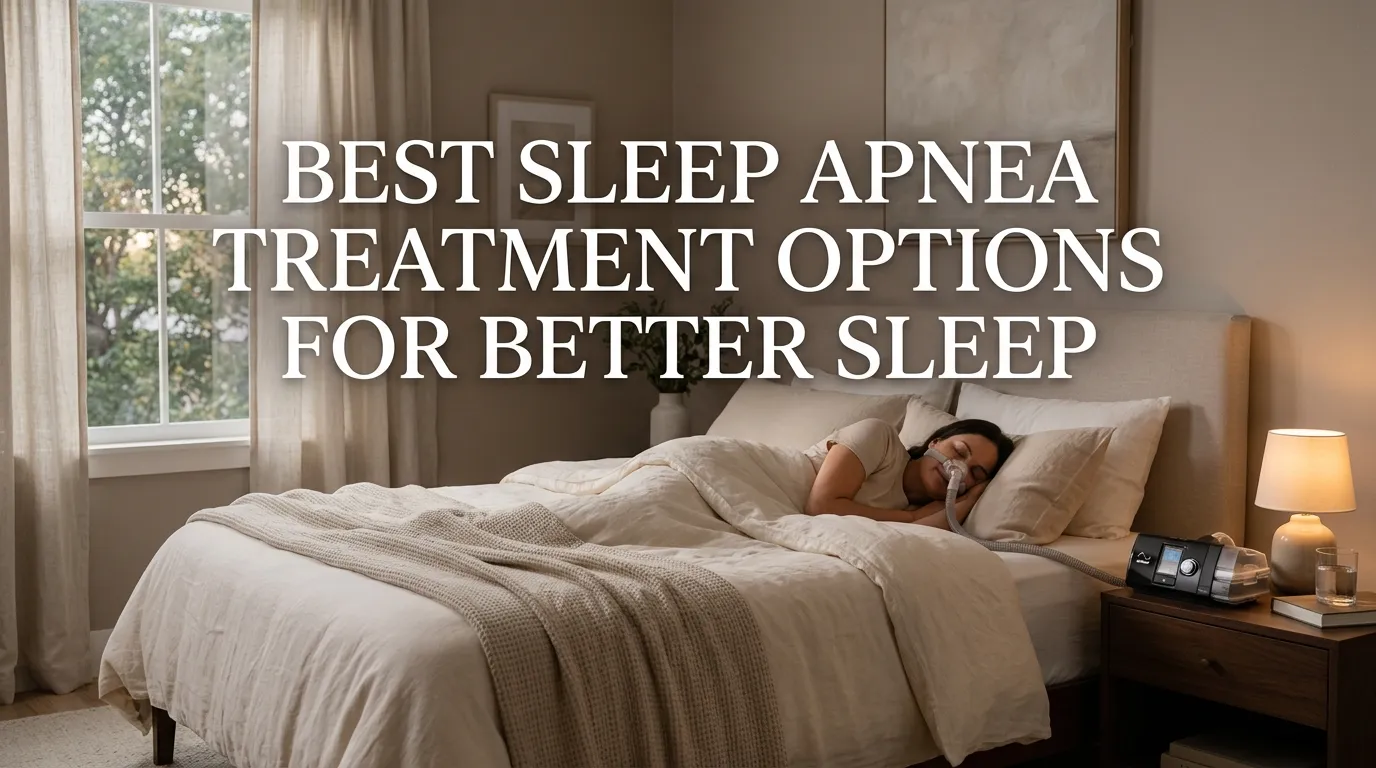
Discover the best sleep apnea treatment options, including CPAP therapy, lifestyle changes, oral appliances, and surgery. Learn how proper treatment improves breathing, reduces snoring, boosts sleep quality, and supports long-term health and daily energy for better living.
Sleep apnea is a common sleep disorder that affects breathing and overall health. Many people experience poor sleep, loud snoring, and daytime fatigue because of untreated symptoms. Understanding the best sleep apnea treatment options can help improve sleep quality, increase energy, and reduce serious health risks. Proper treatment supports healthier breathing and better daily life.
Understanding Sleep Apnea and Its Symptoms
Sleep apnea is a condition where breathing repeatedly stops and starts during sleep. The most common type is obstructive sleep apnea, which happens when throat muscles relax too much and block airflow. Central sleep apnea occurs when the brain fails to send proper signals to the breathing muscles. Common symptoms include loud snoring, choking during sleep, dry mouth, morning headaches, and daytime fatigue. Many people ignore these signs until the condition becomes severe. Learning about symptoms early helps individuals seek proper diagnosis and treatment sooner. Doctors often recommend sleep studies to determine the severity of the disorder. Understanding symptoms is the first step toward finding the best sleep apnea treatment options for long-term relief and healthier sleep patterns.
Lifestyle Changes as Sleep Apnea Treatment Options
Simple lifestyle improvements are often among the first recommended treatments for mild to moderate sleep apnea. Losing excess weight can reduce pressure on the airway and improve breathing during sleep. Regular exercise helps strengthen muscles and improve overall respiratory health. Avoiding alcohol and smoking is also important because these habits can worsen airway blockage. Sleeping on the side instead of the back may help reduce snoring and breathing interruptions. Establishing a consistent sleep schedule also supports better rest and improved sleep quality. While lifestyle changes may not completely cure severe sleep apnea, they can significantly reduce symptoms and improve the effectiveness of other treatments. Many patients notice better energy levels and fewer sleep disruptions after making healthy daily changes.
CPAP Therapy and How It Works
 Continuous Positive Airway Pressure, known as CPAP therapy, is one of the most reliable sleep apnea treatment options available for people with moderate to severe sleep apnea. This treatment uses a special machine that delivers continuous airflow through a mask worn while sleeping. The steady airflow helps keep the airway open and prevents breathing interruptions during the night. Many patients notice better sleep quality, reduced snoring, and improved daytime energy after regular CPAP use. Modern CPAP machines are quieter, smaller, and more comfortable than older versions, making them easier to use consistently. Proper mask fitting, machine maintenance, and regular cleaning are important for comfort and effectiveness. Sleep specialists widely recommend CPAP therapy for long-term symptom management.
Oral Appliances for Better Breathing During Sleep
Oral appliances are widely used as sleep apnea treatment options for individuals with mild to moderate obstructive sleep apnea. These specially designed devices are worn inside the mouth during sleep to help maintain an open airway and improve breathing. Most oral appliances gently move the lower jaw forward, reducing airway blockage and minimizing breathing interruptions throughout the night. They are commonly recommended for patients who find CPAP therapy uncomfortable or difficult to use regularly. Oral appliances are lightweight, portable, and convenient for travel, making them a practical choice for many users. Dentists trained in sleep medicine create custom-fitted devices for maximum comfort and effectiveness. Regular dental checkups and adjustments help ensure the appliance continues working properly over long-term use.
Surgical Sleep Apnea Treatment Options
In severe cases where other treatments fail, surgery may be considered among the available sleep apnea treatment options. Surgical procedures aim to remove or reduce tissue blocking the airway or correct structural issues that affect breathing. Common surgeries include removing enlarged tonsils, correcting nasal problems, or repositioning the jaw. Some advanced procedures stimulate airway muscles to prevent collapse during sleep. Surgery is usually recommended after careful evaluation by a sleep specialist and surgeon. Recovery time and results vary depending on the procedure and the patient’s health condition. Although surgery may not work for everyone, it can significantly improve breathing and reduce symptoms in certain cases. Discussing risks, benefits, and expectations with medical professionals is essential before choosing surgical treatment.
Importance of Proper Diagnosis Before Treatment
 A proper medical diagnosis is essential before selecting the best sleep apnea treatment options. Many sleep disorders share similar symptoms, making professional evaluation necessary for accurate treatment. Doctors often recommend overnight sleep studies conducted at home or in specialized sleep centers. These tests monitor breathing patterns, oxygen levels, heart rate, and sleep activity. The results help determine the severity and type of sleep apnea. Accurate diagnosis allows healthcare providers to create personalized treatment plans based on individual needs and health conditions. Ignoring symptoms or self-diagnosing may delay effective treatment and increase health risks. Early diagnosis can prevent complications such as high blood pressure, heart disease, diabetes, and chronic fatigue. Professional evaluation ensures safer and more effective long-term sleep apnea management.
Natural Remedies and Alternative Approaches
Some people explore natural methods alongside traditional sleep apnea treatment options to improve sleep quality. Breathing exercises, yoga, and meditation may help relax muscles and improve respiratory function. Nasal strips and humidifiers can support easier nighttime breathing for certain individuals. Maintaining a healthy diet and reducing inflammation may also contribute to better airway health. While these approaches may provide mild symptom relief, they should not replace professional medical treatment for moderate or severe sleep apnea. Alternative methods work best when combined with doctor-recommended therapies and healthy lifestyle habits. Consulting healthcare professionals before trying supplements or herbal remedies is important to avoid unwanted side effects. Natural strategies can support overall wellness and help improve comfort during sleep and daily activities.
Risks of Untreated Sleep Apnea
Ignoring sleep apnea symptoms can lead to serious health complications over time. Without proper sleep apnea treatment options, breathing interruptions reduce oxygen levels and place stress on the body. Untreated sleep apnea increases the risk of high blood pressure, heart disease, stroke, diabetes, and depression. Many individuals also experience poor memory, mood changes, and reduced work performance due to chronic fatigue. Sleep apnea can even increase the risk of accidents caused by daytime drowsiness. Children with untreated sleep apnea may face learning and behavioral problems. Seeking treatment early helps prevent long-term health damage and improves overall quality of life. Understanding these risks encourages individuals to take symptoms seriously and prioritize professional care for healthier sleep and better daily functioning.
Benefits of Early Sleep Apnea Treatment
 Getting early treatment is one of the best ways to prevent serious health complications caused by sleep apnea. Many people ignore symptoms such as loud snoring, daytime fatigue, and breathing interruptions, but early action can improve both sleep quality and overall wellness. Effective sleep apnea treatment options help restore healthy breathing patterns, improve oxygen flow, and support better mental and physical health. Early treatment may also reduce the risk of chronic diseases linked to untreated sleep apnea. Patients often experience improved concentration, increased energy, better mood, and healthier sleep routines after beginning treatment. Seeking medical help early allows doctors to recommend the most suitable treatment plan before symptoms become severe and more difficult to manage.
Key Benefits of Early Treatment
- Improves sleep quality and breathing
- Reduces loud snoring and fatigue
- Lowers the risk of heart disease and stroke
- Supports better focus and mental clarity
- Increases daytime energy and productivity
- Helps maintain healthier blood pressure levels
| Benefit | How It Helps |
|---|---|
| Better Sleep | Reduces breathing interruptions during sleep |
| Improved Energy | Helps reduce daytime tiredness and fatigue |
| Heart Health Support | Lowers stress on the cardiovascular system |
| Better Mood | Improves emotional balance and mental wellness |
| Reduced Snoring | Promotes quieter and more restful sleep |
Choosing the Best Sleep Apnea Treatment Option
Selecting the right sleep apnea treatment options depends on several factors, including symptom severity, lifestyle, and overall health. Some people benefit from simple lifestyle changes, while others require CPAP therapy, oral appliances, or surgery. Working closely with a sleep specialist helps patients understand the advantages and limitations of each treatment. Comfort, convenience, and long-term effectiveness are important when choosing a solution. Regular follow-up care also helps ensure the chosen treatment continues to work properly over time. Patients should communicate openly about side effects or difficulties with treatment devices to improve results. Finding the best treatment may take time, but proper management can dramatically improve sleep quality, energy levels, and long-term health. Consistent treatment leads to better rest and healthier living.
Conclusion
Sleep apnea is more than just loud snoring because it can seriously affect physical health, mental well-being, and daily life. Thankfully, there are many effective sleep apnea treatment options available today for different levels of severity and personal needs. From lifestyle changes and CPAP therapy to oral appliances and surgery, proper treatment can improve breathing, reduce fatigue, and support better sleep quality. Early diagnosis and professional guidance are essential for choosing the most suitable solution. Ignoring symptoms may lead to serious long-term complications, making timely treatment extremely important. By understanding available options and making healthy lifestyle choices, individuals can manage sleep apnea successfully and enjoy more restful nights, increased energy, and a healthier future.
Frequently Asked Questions
1: What are the most effective sleep apnea treatment options?
The most effective sleep apnea treatment options include CPAP therapy, lifestyle changes, oral appliances, and surgery. The right treatment depends on the severity of the condition, personal health needs, and medical recommendations provided by a qualified sleep specialist or healthcare provider.
2: Can lifestyle changes improve sleep apnea symptoms?
Yes, healthy lifestyle changes can reduce sleep apnea symptoms significantly. Weight loss, regular exercise, avoiding alcohol, quitting smoking, and sleeping on the side may improve breathing during sleep and support other sleep apnea treatment options for better long-term results.
3: Is CPAP therapy safe for long-term use?
CPAP therapy is considered safe and highly effective for long-term use in treating obstructive sleep apnea. It helps keep the airway open during sleep, improves breathing, reduces snoring, and supports healthier sleep patterns when used consistently every night.
4: Are oral appliances comfortable for sleep apnea patients?
Many patients find oral appliances comfortable because they are small, portable, and easy to wear during sleep. These devices help improve airflow by adjusting jaw position and are commonly recommended for mild to moderate obstructive sleep apnea treatment needs.
5: When is surgery recommended for sleep apnea?
Surgery is usually recommended when other sleep apnea treatment options fail to improve symptoms. Doctors may suggest surgery to remove airway blockages, correct structural problems, or improve breathing pathways for patients with severe or complicated sleep apnea conditions.
6: How is sleep apnea diagnosed by doctors?
Doctors diagnose sleep apnea through sleep studies that monitor breathing, oxygen levels, heart rate, and sleep activity. These tests can be performed at home or in sleep clinics and help determine the best sleep apnea treatment options for patients.
7: Can untreated sleep apnea cause serious health problems?
Yes, untreated sleep apnea may increase the risk of heart disease, high blood pressure, stroke, diabetes, depression, and daytime fatigue. Proper diagnosis and treatment are important to prevent long-term health complications and improve overall quality of life and sleep quality.
8: Are natural remedies enough to treat sleep apnea?
Natural remedies may help reduce mild symptoms, but are usually not enough for moderate or severe sleep apnea. Healthy habits, breathing exercises, and better sleep routines work best when combined with professional sleep apnea treatment options recommended by healthcare specialists.
9: How long does it take to see results from treatment?
Many patients notice improvements within days or weeks after starting sleep apnea treatment options like CPAP therapy or oral appliances. Better sleep quality, reduced snoring, and improved daytime energy often appear with regular and consistent treatment use over time.
10: Which sleep apnea treatment option is best for severe cases?
CPAP therapy is commonly considered the best treatment for severe obstructive sleep apnea because it keeps the airway open continuously during sleep. In some situations, surgery or combination treatments may also be recommended for better long-term symptom management and breathing support.
