
This blog explains how a peer health educator supports student success through communication, mental health awareness, healthy lifestyle promotion, leadership, inclusive education, social media engagement, and interactive wellness programs that create healthier, supportive, and more connected school and college communities.
Understanding the Role of a Peer Health Educator
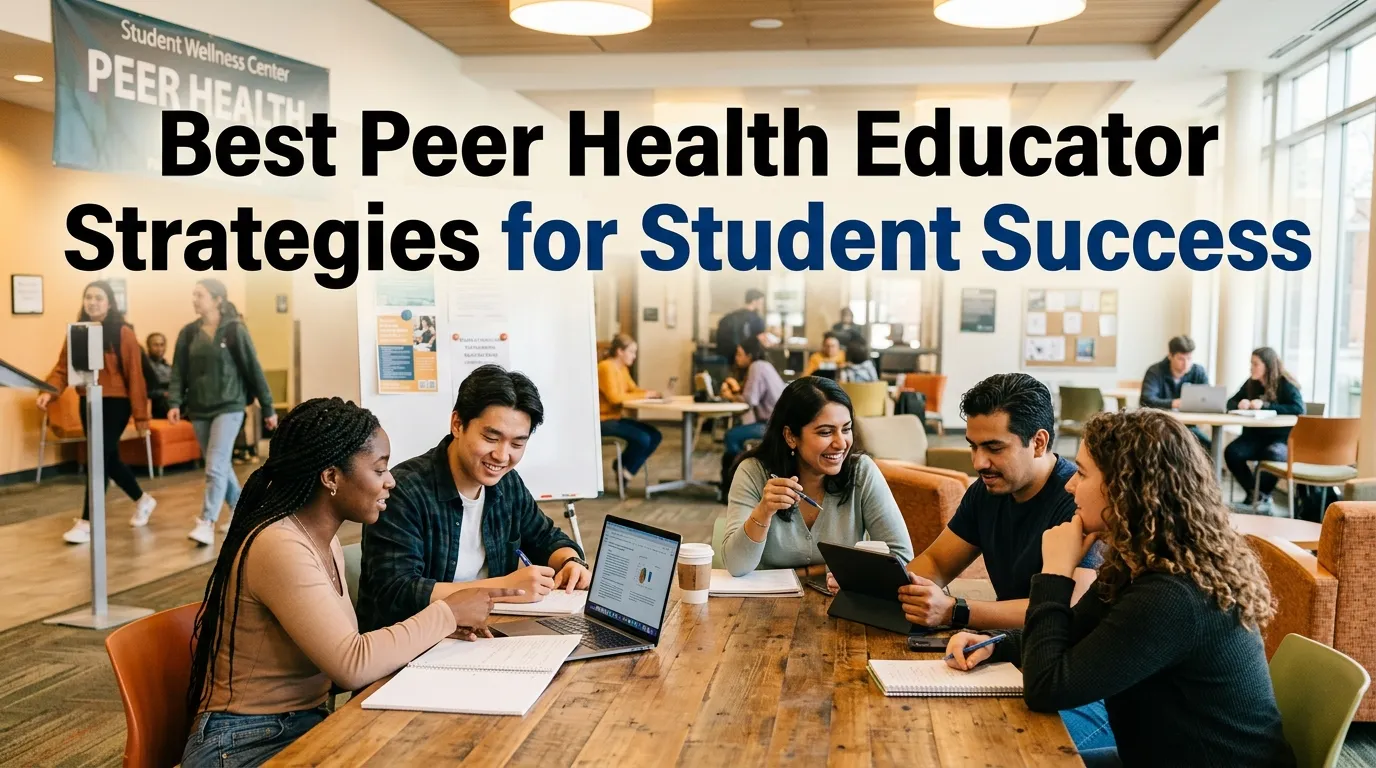
A peer health educator is a trained student leader who provides wellness education, emotional support, and health guidance to fellow students in schools, colleges, and youth programs. Their responsibilities include spreading awareness about mental health, nutrition, stress management, substance abuse prevention, and healthy lifestyle habits through relatable communication and peer interaction. Students often feel more comfortable discussing personal concerns with peers because they feel understood and less judged. A peer health educator also organizes awareness campaigns, workshops, and discussions that encourage informed decision-making and healthier behaviors. Beyond sharing information, they act as positive role models who create supportive environments where students can openly discuss emotional struggles, academic pressure, personal challenges, and ways to improve overall well-being.
Building Strong Communication Skills
Strong communication skills are essential for every peer health educator because successful health education depends on trust, understanding, and student engagement. A peer health educator must communicate clearly, respectfully, and in relatable ways that make students feel comfortable discussing sensitive topics such as stress, relationships, anxiety, or substance abuse. Active listening is equally important because students want to feel supported without fear of criticism or judgment. Using empathy, positive body language, and simple explanations helps create stronger peer connections and meaningful conversations. Communication today also includes digital platforms like social media and virtual meetings. A peer health educator who effectively combines online outreach with face-to-face interaction can spread health awareness more successfully and encourage stronger student participation.
Promoting Mental Health Awareness
 Mental health awareness is one of the most important responsibilities of a peer health educator because many students experience stress, anxiety, loneliness, and emotional pressure during their academic journey. A peer health educator helps create safe and supportive spaces where students feel comfortable discussing their emotions and seeking guidance without embarrassment. They may organize wellness campaigns, stress-relief activities, and group discussions that encourage emotional balance and self-care practices. By teaching students about coping strategies, healthy routines, and available support services, peer educators help reduce stigma surrounding mental health conversations and counseling. Students often relate more easily to peers who understand their experiences, making peer-led support highly effective for improving confidence, resilience, emotional well-being, and healthier school communities.
Encouraging Healthy Lifestyle Choices
A peer health educator plays an important role in encouraging students to develop healthier habits that improve both physical wellness and academic performance. Many students struggle with unhealthy eating, lack of exercise, poor sleep schedules, and stress caused by academic responsibilities and busy lifestyles. Peer educators help students understand the value of balanced nutrition, hydration, regular physical activity, and proper rest through relatable advice and wellness activities. They may organize fitness programs, healthy eating campaigns, or stress-management workshops that motivate students to adopt positive routines. A peer health educator also promotes awareness about avoiding harmful habits such as smoking, substance abuse, and excessive screen time while encouraging healthier coping methods that support long-term wellness and personal growth.
Creating Inclusive Health Education Programs
Inclusivity is an essential part of every successful peer health educator program because students come from diverse cultural, social, and personal backgrounds with different experiences and challenges. A peer health educator should ensure that workshops, discussions, and educational materials are welcoming, respectful, and accessible to all students regardless of gender, ability, culture, or identity. Inclusive programs help students feel represented, valued, and supported, which encourages participation and trust within educational communities. Peer educators should promote open-minded discussions that respect different perspectives while avoiding judgmental language or exclusion. Providing culturally sensitive communication, accessible resources, and supportive learning environments allows a peer health educator to strengthen peer relationships and create safe spaces where students feel comfortable discussing health and wellness topics.
Using Social Media for Health Awareness
 Social media has become a valuable tool for every peer health educator because it allows health information to reach students quickly, creatively, and effectively. Many students spend a large amount of time online, making platforms like Instagram, TikTok, Facebook, and YouTube useful for sharing wellness tips, educational videos, mental health advice, and awareness campaigns. A peer health educator can create engaging digital content that encourages healthy habits and meaningful discussions about stress management, fitness, emotional wellness, and healthy relationships. Short videos, interactive posts, and visual content often attract student attention more successfully than traditional educational methods. Social media also helps students stay informed about wellness events, workshops, support services, and health resources available within schools and colleges.
Challenges Faced by a Peer Health Educator
Common Challenges for Peer Health Educators
- Limited student participation in wellness activities
- Difficulty discussing sensitive health topics
- Balancing academic work with peer education duties
- Managing misinformation from online sources
- Lack of funding or institutional resources
- Building trust with students from diverse backgrounds
- Handling emotional stress from supporting peers
| Challenge | Impact on Students | Possible Solution |
|---|---|---|
| Low participation | Reduced awareness and engagement | Use interactive activities and incentives |
| Misinformation | Confusion about health topics | Share verified and trusted resources |
| Limited resources | Fewer wellness events | Seek school and community support |
| Communication barriers | Less student trust | Use relatable and inclusive communication |
| Academic pressure | Reduced educator involvement | Improve time management and teamwork |
Developing Leadership and Teamwork Skills
Leadership and teamwork are important qualities every peer health educator should develop because successful health programs require collaboration, communication, and community involvement. A peer health educator often works with teachers, counselors, student organizations, and wellness professionals to global educational campaigns, workshops, and support activities for students. Strong leadership skills help peer educators guide discussions, motivate participation, and create positive learning environments where students feel encouraged to engage. Teamwork allows peer educators to share ideas, solve challenges together, and improve the effectiveness of wellness initiatives. These experiences also help students strengthen confidence, communication abilities, problem-solving skills, and decision-making abilities that benefit both academic and personal growth while preparing them for future leadership opportunities and professional success.
Organizing Interactive Health Workshops
 Interactive workshops are one of the most effective strategies a peer health educator can use to increase student engagement and make health education more enjoyable and memorable. Students often respond better to activities that encourage participation instead of passive listening during lectures. A peer health educator can organize workshops on stress management, healthy relationships, nutrition, emotional wellness, and personal safety using interactive methods such as role-playing, games, quizzes, and group discussions. These activities encourage students to ask questions, share experiences, and develop useful life skills in supportive environments. Interactive workshops also strengthen peer relationships and improve student confidence. When educational sessions feel relatable and engaging, students are more likely to apply healthy habits and wellness practices in their daily lives.
Measuring the Success of Peer Health Education Programs
Measuring the effectiveness of a peer health educator program is important because it helps schools and organizations understand how well their wellness initiatives support students and promote healthier behaviors. A peer health educator program can evaluate success through surveys, participation records, feedback forms, and student discussions about workshops or awareness campaigns. Monitoring changes in student knowledge, engagement, and lifestyle habits provides useful information about which strategies are most effective. Schools may also track improvements in mental health support participation, wellness event attendance, or reductions in stress-related concerns. Collecting regular feedback allows peer educators to improve activities and address student needs more effectively. Strong evaluation practices help peer health educator programs continue growing and creating positive impacts within educational communities.
