
Close Menu

    Subscribe to Updates

    Get the latest creative news from FooBar about art, design and business.

    What's Hot

    Laser Glucose Monitor: Smart Pain-Free Health Tracking

    May 19, 2026

    Best Blood Glucose Monitor Watch for Easy Daily Diabetes Tracking

    May 17, 2026

    Mastering Diabetes Management: Modern Strategies & Insights

    May 15, 2026
    Facebook X (Twitter) Instagram
    Tuesday, June 9
    Facebook X (Twitter) Instagram
    My Blog
    • Homepage
    • Chronic Illness Support
    • Diabetes Management
    • Health Resources
    • Medical Information
    My Blog
    Home»Diabetes Management»Holistic Diabetes Management: Lifestyle, Diet & Tech Tips
    Diabetes Management

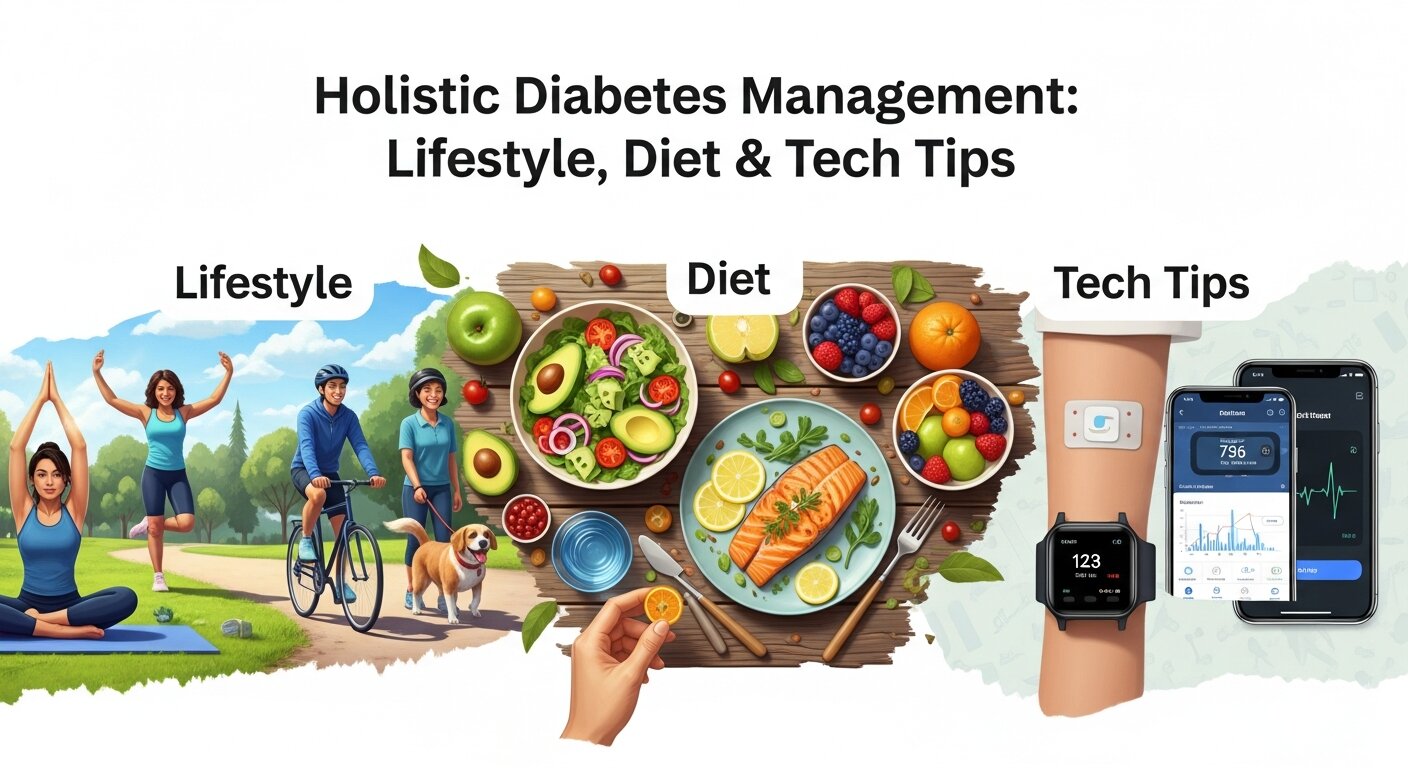
    Holistic Diabetes Management: Lifestyle, Diet & Tech Tips

    Thomas EvansBy Thomas EvansApril 5, 2026Updated:April 13, 2026No Comments11 Mins Read
    Facebook Twitter Pinterest LinkedIn Tumblr WhatsApp VKontakte Email
    diabetes care plan
    Share
    Facebook Twitter LinkedIn Pinterest Email

    A diabetes care plan combines diet, exercise, medication, monitoring, and stress management to control blood sugar levels. It improves overall health, prevents complications, and supports a balanced lifestyle for long-term diabetes management and better well-being.

    A diabetes care plan is a structured approach to managing blood sugar through a balanced diet, regular exercise, medication, monitoring, and lifestyle habits. It helps individuals maintain stable glucose levels, prevent complications, and improve overall health. With proper guidance and consistency, a diabetes care plan supports better daily control, long-term wellness, and a healthier, more active lifestyle for people with diabetes.

    Understanding a Diabetes Care Plan 

    A strong foundation of a diabetes care plan starts with understanding its purpose and structure. It is a complete approach that combines diet, exercise, medication, and regular monitoring to maintain stable blood sugar levels. Since every individual is different, a personalized diabetes care plan is important for effective results. It helps reduce risks of complications like heart disease, fatigue, and nerve damage. This plan also builds awareness about how daily habits affect glucose levels. By tracking meals, activity, and lifestyle patterns, individuals can make smarter health decisions. A well-balanced diabetes care supports long-term stability and encourages people to take control of their condition with confidence and consistency, improving both physical health and overall quality of life.

    Healthy Eating for Blood Sugar Control 

    Nutrition is a core part of an effective diabetes care plan because food directly impacts blood sugar levels. A balanced diet that includes fiber-rich foods, lean protein, healthy fats, and whole grains helps maintain glucose stability. Avoiding processed foods, sugary drinks, and refined carbs is essential for preventing sudden spikes. A well-structured diabetes care plan also focuses on portion control and meal timing to improve digestion and energy balance. Eating low-glycemic foods supports slow glucose release, keeping levels steady throughout the day. Drinking enough water and avoiding late-night heavy meals further improve results. With consistent healthy eating habits, individuals can strengthen their diabetes care and improve long-term diabetes management naturally and effectively.

    Importance of Physical Activity 

    Importance of Physical Activity 

    Physical activity plays an important role in any diabetes care plan because it helps the body use glucose more efficiently. Regular exercise, such as walking, cycling, yoga, or strength training, improves insulin sensitivity and supports better blood sugar control. A consistent diabetes care plan encourages at least 30 minutes of moderate activity daily to maintain overall health. Exercise also helps with weight management, reduces stress, and improves heart health. Even simple habits like stretching or using stairs can make a positive difference. Staying active not only benefits physical health but also improves mental well-being. When combined with a structured diabetes care, regular movement becomes a powerful tool for long-term diabetes management and improved quality of life.

    Monitoring Blood Sugar Levels Regularly 

    Regular monitoring is a vital part of a successful diabetes care plan. Tracking blood sugar levels helps individuals understand how food, exercise, stress, and medication affect their bodies. Devices like glucometers and continuous glucose monitors provide real-time insights for better control. A structured diabetes care encourages maintaining a daily record of readings to identify patterns and make necessary adjustments. This helps prevent sudden spikes or drops in blood sugar that may lead to complications. Monitoring also allows healthcare providers to adjust treatment plans effectively. By staying consistent with tracking, individuals can improve awareness and take timely action. A proper diabetes care plan builds confidence and ensures better long-term management of diabetes.

    Role of Stress Management 

    Stress management is an essential part of a balanced diabetes care plan because stress can directly affect blood sugar levels. When stress increases, cortisol levels rise, which may lead to higher glucose levels in the body. A good diabetes care plan includes relaxation techniques such as meditation, deep breathing, and yoga to maintain emotional balance. Engaging in hobbies, spending time with loved ones, and maintaining a positive routine also help reduce stress. Proper sleep is another important factor in stabilizing hormones and supporting blood sugar control. Managing stress effectively improves both mental and physical health. When included in a structured diabetes care plan, stress control becomes a powerful tool for better diabetes management and overall well-being.

    Importance of Medication Adherence

    Importance of Medication Adherence

    Medication adherence is an important part of effective diabetes management because medicines help keep blood sugar levels under control when lifestyle changes are not sufficient. Taking prescribed doses on time ensures stable results and reduces the risk of serious health complications. Regular medical follow-ups are also necessary to adjust treatment according to changing health needs. Missing doses can lead to unstable glucose levels and long-term health issues. Understanding how each medicine works can improve commitment to treatment. When combined with a balanced diet and regular physical activity, medication becomes more effective. Consistency, discipline, and proper medical guidance are essential for achieving long-term diabetes control and overall well-being.

    Technology in Diabetes Management 

    Technology has greatly improved the effectiveness of a modern diabetes care plan. Mobile apps, smart glucose monitors, and wearable devices help track blood sugar levels in real time. These tools provide accurate insights that support better decision-making. A tech-enabled diabetes care allows users to monitor trends, set reminders for medication, and track meals easily. Digital tools also help share reports with doctors for better treatment adjustments. By reducing guesswork, technology improves precision in diabetes management. It also encourages discipline and awareness about daily habits. When combined with lifestyle changes, a data–driven healthcare marketing diabetes care plan makes diabetes easier to manage and supports long-term health improvement.

    Smart Meal Planning in a Diabetes Care Plan

    A well-structured diabetes care strongly depends on smart meal planning because food choices directly affect blood sugar levels. Planning meals helps individuals avoid unhealthy eating and maintain consistent glucose control throughout the day. A balanced approach includes carbohydrates, proteins, healthy fats, and fiber in the right proportions. A diabetes care plan that includes meal planning also supports portion control, reduces overeating, and improves digestion. It becomes easier to track calorie intake and maintain energy balance. By preparing meals ahead of time, individuals can avoid sudden sugar spikes and make healthier food decisions consistently, improving long-term diabetes management outcomes.

    Key Points:

    • Helps maintain stable blood sugar levels
    • Reduces unhealthy food choices and cravings
    • Supports portion control and balanced nutrition
    • Improves consistency in a diabetes care plan
    • Saves time and reduces stress in daily routines
    Meal Time Food Example Benefit
    Breakfast Oats with nuts & fruits Steady energy release
    Lunch Brown rice, vegetables, chicken Balanced nutrition
    Snack Yogurt or almonds Controls hunger spikes
    Dinner Grilled fish, salad Light digestion & control

    Building a Sustainable Daily Routine 

    Building a Sustainable Daily Routine 

    A consistent daily routine is essential for maintaining stable blood sugar levels and supporting overall diabetes management. Healthy habits such as eating balanced meals, engaging in regular physical activity, and getting quality sleep play a key role in keeping glucose levels under control. Planning meals and setting reminders for medications helps improve discipline and reduce missed doses or irregular patterns. Avoiding skipped meals and staying well hydrated further supports steady energy and better health outcomes. Over time, these small but consistent actions lead to meaningful improvements in diabetes control. A well-structured routine not only makes management easier but also enhances energy levels, productivity, and overall well-being, making long-term health maintenance more achievable and sustainable.

    Preventing Complications Through Awareness 

    Awareness plays a vital role in managing diabetes effectively because it helps prevent serious health complications. Recognizing early warning signs and understanding risk factors allows individuals to take timely and informed action. Regular health check-ups and screenings support long-term safety and early detection of issues. Staying informed about how daily lifestyle habits impact blood sugar levels improves self-management. Education builds confidence and reduces anxiety about the condition. Noticing small changes in the body helps in early intervention and better control. When combined with healthy habits, awareness strengthens overall diabetes management and supports long-term stability, prevention, and improved quality of life.

    Regular Health Check-ups and Long-Term Monitoring

    Regular health check-ups are a crucial part of an effective diabetes care plan because they help detect early signs of complications and ensure proper disease management. Monitoring not only includes blood sugar but also blood pressure, cholesterol, kidney function, and eye health. Consistent diabetes care encourages scheduled medical visits to adjust treatment when necessary. Early detection of changes in the body helps prevent serious health issues and supports long-term stability. Combining medical supervision with daily habits ensures a more complete and effective approach to diabetes care, improving quality of life and reducing health risks over time.

    Key Points:

    • Helps detect complications early
    • Ensures proper adjustment of treatment
    • Monitors overall health beyond blood sugar
    • Strengthens the effectiveness of diabetes care
    • Supports long-term safety and stability
    Test Type Purpose Frequency
    Blood Sugar Test Monitor glucose levels Daily/Weekly
    HbA1c Test Average sugar control Every 3 months
    Eye Exam Detect vision damage Yearly
    Kidney Test Check organ health Yearly
    Lipid Profile Monitor cholesterol Every 6–12 months

    Conclusion

    A well-structured diabetes care plan is essential for achieving long-term stability and better health outcomes. By combining healthy eating, regular exercise, stress management, medication adherence, and modern technology, individuals can effectively control blood sugar levels. Consistent diabetes care helps reduce the risk of complications and improves overall quality of life. Small daily habits create lasting positive changes when followed with discipline. With awareness and commitment, anyone can manage diabetes more confidently. Ultimately, a balanced diabetes care supports not only better health but also a more active and fulfilling lifestyle.

    Frequently Asked Questions

    1: What is a diabetes care plan?

    A diabetes care plan is a structured approach that combines diet, exercise, medication, and monitoring to control blood sugar levels. It helps individuals manage diabetes effectively while reducing the risks of complications and improving overall health and daily well-being consistently.

    2: Why is a diabetes care plan important?

    A diabetes care plan is important because it helps maintain stable blood sugar levels and prevents complications like heart disease or nerve damage. It also improves lifestyle habits, supports better decision-making, and enhances long-term health and overall quality of life significantly.

    3: What foods are best in a diabetes care plan?

    A healthy diabetes care includes fiber-rich foods, whole grains, vegetables, lean proteins, and healthy fats. These foods help regulate blood sugar levels naturally. Avoiding sugary drinks and processed foods is also essential for maintaining stable glucose levels consistently.

    4: Can exercise improve a diabetes care plan?

    Yes, exercise is a key part of a diabetes care plan. It improves insulin sensitivity, helps control weight, and lowers blood sugar levels. Regular walking, cycling, or yoga supports better physical and mental health for long-term diabetes management effectively.

    5: How often should blood sugar be checked?

    In a diabetes care plan, blood sugar should be checked regularly, depending on medical advice. Frequent monitoring helps track patterns, understand glucose changes, and prevent sudden spikes or drops, ensuring better control and safer long-term diabetes management outcomes.

    6: Does stress affect a diabetes care plan?

    Yes, stress negatively impacts diabetes care by increasing cortisol levels, which raises blood sugar. Managing stress through relaxation techniques, sleep, and hobbies helps stabilize glucose levels and improves both mental and physical health significantly over time.

    7: Is medication necessary in a diabetes care plan?

    Medication is often an important part of a diabetes care plan when lifestyle changes are not enough. It helps control blood sugar levels effectively. Following prescribed doses and medical advice ensures better results and reduces long-term health risks safely.

    8: How does technology help diabetes care plan management?

    Technology improves a diabetes care plan by providing real-time glucose tracking, reminders, and health insights. Devices and mobile apps help individuals monitor progress, share data with doctors, and make better decisions for improved diabetes control and management accuracy.

    9: Can diabetes be controlled with lifestyle changes alone?

    In some cases, diabetes care with strong lifestyle changes like diet and exercise can help control blood sugar. However, many individuals may still need medication or medical guidance for effective and safe long-term diabetes management results.

    10: How can complications be prevented in a diabetes care plan?

    Complications can be prevented through a proper diabetes care plan that includes regular monitoring, healthy eating, exercise, and medical check-ups. Early detection and consistent care reduce risks and support long-term health, stability, and better diabetes management outcomes effectively.

    diabetes management diet lifestyle mental health technology
    Share. Facebook Twitter Pinterest LinkedIn Tumblr WhatsApp Email
    Previous ArticleEssential Guide to Effective Diabetes Management for Better Health
    Next Article Ultimate Holistic Guide to Diabetes Management
    Thomas Evans
    Thomas Evans
    • Website

    I'm a Health Education Writer who focuses on simplifying complex medical knowledge into clear and practical information. He helps readers understand general health topics, disease awareness, and healthy lifestyle practices in an easy-to-follow way. His content is designed to improve health awareness and support better everyday health decisions.

    Related Posts

    Laser Glucose Monitor: Smart Pain-Free Health Tracking

    May 19, 2026

    Best Blood Glucose Monitor Watch for Easy Daily Diabetes Tracking

    May 17, 2026

    Mastering Diabetes Management: Modern Strategies & Insights

    May 15, 2026

    Holistic Diabetes Management: Your Complete Action Plan

    May 11, 2026
    Leave A Reply Cancel Reply

    picks
    Latest Post
    Diabetes Management

    Laser Glucose Monitor: Smart Pain-Free Health Tracking

    By Thomas EvansMay 19, 20260

    Are you tired of daily finger pricks? A laser glucose monitor offers a revolutionary, painless…

    Best Blood Glucose Monitor Watch for Easy Daily Diabetes Tracking

    May 17, 2026

    Mastering Diabetes Management: Modern Strategies & Insights

    May 15, 2026

    Holistic Diabetes Management: Your Complete Action Plan

    May 11, 2026
    About Us
    About Us
    Our Picks
    New Comments
      © 2026 Diabeteshelpnet. All Rights Reserved.
      • About us
      • Contact us
      • Privacy Policy
      • Terms & Conditions

      Type above and press Enter to search. Press Esc to cancel.