


Effective diabetes management strategies focus on a balanced diet, regular exercise, monitoring blood sugar, medication adherence, stress control, and healthy lifestyle habits. These approaches help maintain stable glucose levels, prevent complications, and improve overall long-term health and well-being.
Balanced Nutrition for Stable Blood Sugar
A balanced diet is one of the most important foundations of diabetes care. Proper eating habits support diabetes management strategies by controlling blood sugar spikes and improving metabolism. Foods rich in fiber, lean protein, and healthy fats help maintain steady glucose levels throughout the day. Avoiding processed foods and sugary drinks is equally important for long-term stability. Consistent meal timing and portion control also play a key role in supporting diabetes management strategies, ensuring the body processes glucose more efficiently. Including vegetables, whole grains, and low-glycemic fruits can significantly improve insulin response. When followed properly, diabetes management strategies based on nutrition help reduce complications and support better energy levels and overall health.
Regular Exercise and Physical Activity
Physical activity is essential for improving insulin sensitivity and maintaining a healthy weight. Exercise is a core part of diabetes management strategies, helping the body use glucose more effectively. Activities such as walking, cycling, and light strength training support heart health and improve circulation. Even moderate daily movement can make a noticeable difference in blood sugar control. Consistency is crucial, as regular activity strengthens diabetes management strategies and reduces the risk of complications. Exercise also helps manage stress levels, which directly impacts glucose stability. When combined with a healthy diet, diabetes management strategies that include physical activity provide long-term benefits and improve overall well-being.
Monitoring Blood Sugar Levels
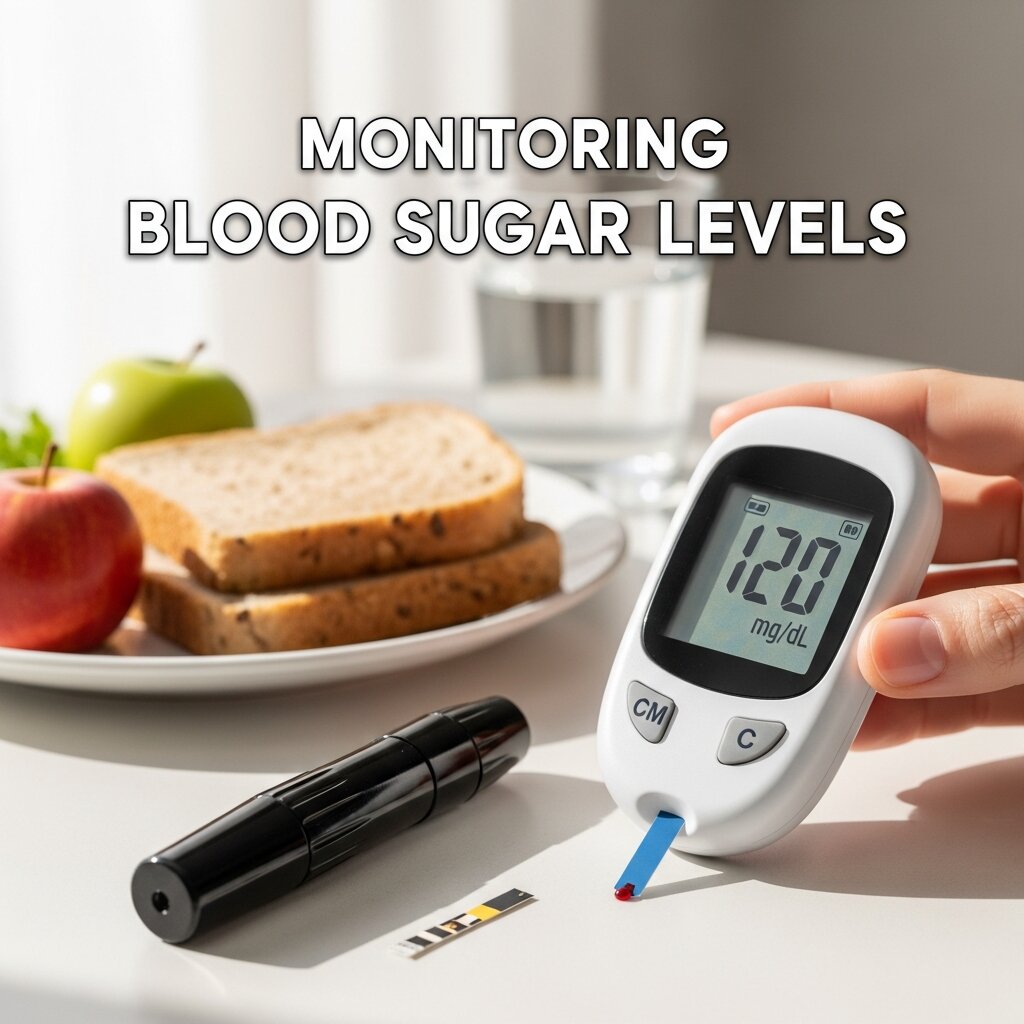 Regular blood sugar monitoring is essential for understanding how the body responds to food and activity. This practice strengthens diabetes management strategies by providing real-time marketing insights into glucose fluctuations. Using glucometers or continuous monitoring devices helps individuals make informed decisions about diet and medication. Tracking patterns over time improves awareness and supports better control. Accurate monitoring is a key part of diabetes management strategies, helping prevent sudden spikes or drops in blood sugar. It also allows individuals to adjust their lifestyle habits more effectively. When consistently practiced, diabetes management strategies involving monitoring lead to improved stability and long-term health outcomes.
Medication Adherence and Professional Care
Following prescribed medication schedules is crucial for maintaining stable blood sugar levels. Medical guidance plays an important role in diabetes management strategies, ensuring proper treatment and safety. Doctors may recommend insulin or oral medications depending on individual needs. Taking medication consistently supports diabetes management strategies by keeping glucose levels within a healthy range. Missing doses can lead to serious complications, making discipline extremely important. Regular consultations with healthcare professionals help adjust treatment plans when necessary. Professional support strengthens diabetes management strategies and ensures personalized care for better long-term control and improved quality of life.
Stress Control and Emotional Balance
Managing stress is essential because emotional pressure can directly affect blood sugar levels. Stress reduction techniques are important in diabetes management strategies, helping maintain hormonal balance and stability. Practices such as meditation, yoga, and deep breathing exercises are highly effective in calming the mind. Reduced stress improves consistency in daily health routines and supports better decision-making. Emotional well-being is closely linked to diabetes management strategies, as stress can cause sudden glucose fluctuations. Maintaining a positive mindset and seeking social support also improve outcomes. When stress is controlled effectively, diabetes management strategies become more successful and sustainable in daily life.
Healthy Sleep Routine and Recovery

Good sleep is essential for proper hormone regulation and glucose control. Sleep plays a major role in diabetes management strategies, helping the body recover and maintain balance. Poor sleep can lead to insulin resistance and unstable blood sugar levels. Establishing a consistent sleep schedule improves overall health and strengthens diabetes management strategies. Avoiding screen time before bed and creating a calm environment support better rest quality. Adequate sleep also enhances focus and energy during the day. When prioritized properly, diabetes management strategies that include healthy sleep habits contribute to better long-term diabetes control and improved physical and mental performance.
Proper Hydration and Water Intake
Staying hydrated is essential for maintaining healthy blood sugar levels and overall body function. Hydration supports diabetes management strategies by helping the kidneys remove excess glucose from the bloodstream. Drinking enough water throughout the day improves digestion and energy levels. Sugary drinks should be avoided as they can disrupt glucose balance. Proper fluid intake strengthens diabetes management strategies by ensuring the body functions efficiently. Dehydration can negatively impact blood sugar control and increase complications. When hydration is maintained consistently, diabetes management strategies become more effective in supporting stable health and preventing unnecessary fluctuations in glucose levels.
Technology and Smart Tools in Diabetes Care
Modern technology has made diabetes management strategies more accurate and convenient than ever before. Smart devices such as continuous glucose monitors, fitness trackers, and mobile health apps help individuals track blood sugar levels, activity, and diet in real time. These tools improve awareness and allow quicker decision-making for better health control. By using digital support systems, people can reduce errors and stay more consistent with their routines. Overall, technology enhances diabetes management strategies by providing data-driven insights and personalized feedback that support better lifestyle choices and long-term glucose stability.
Key Points
- Continuous glucose monitoring improves real-time tracking
- Mobile apps help manage diet and medication reminders
- Fitness trackers support activity and calorie control
- Data insights improve decision-making
- Enhances accuracy in daily diabetes care
| Tool Type | Purpose | Benefit |
|---|---|---|
| Glucose Monitor | Tracks blood sugar levels | Real-time accuracy |
| Mobile App | Diet & medication tracking | Better routine control |
| Fitness Tracker | Activity monitoring | Improves physical health |
| Smart Insulin Pen | Dose tracking | Reduces dosage errors |
Weight Management and Healthy Lifestyle

Maintaining a healthy weight is important for improving insulin sensitivity and reducing health risks. Weight control is a key factor in diabetes management strategies, especially for individuals with type 2 diabetes. A combination of a balanced diet and regular exercise helps achieve sustainable results. Gradual weight loss is more effective than quick solutions. Healthy body composition strengthens diabetes management strategy by improving overall metabolic function. Monitoring calorie intake and staying active supports long-term success. When weight is managed properly, the diabetes management strategy becomes more effective in controlling blood sugar levels and improving overall quality of life.
Regular Health Check-ups and Prevention
Routine health check-ups help identify complications early and ensure effective disease management. Preventive care is an essential part of a diabetes management strategy, supporting long-term stability and safety. Regular screenings for eyes, kidneys, and heart health are highly recommended. These check-ups strengthen the diabetes management strategy by allowing timely adjustments to treatment plans. Early detection of issues helps prevent serious complications and improves outcomes. Working closely with healthcare professionals ensures better guidance and personalized care. Preventive monitoring plays a vital role in diabetes management strategies, helping individuals maintain control and achieve better long-term health results.
Complication Prevention and Long-Term Care
Preventing complications is a critical part of diabetes management strategies, as uncontrolled blood sugar can affect the heart, kidneys, eyes, and nerves. Long-term care focuses on maintaining stable glucose levels through consistent habits, regular check-ups, and early detection of health issues. Building preventive routines ensures better protection against serious conditions and improves overall quality of life. Educating patients about warning signs and maintaining discipline in lifestyle choices greatly strengthens long-term outcomes. An effective diabetes management strategy always prioritizes prevention as a key goal for sustainable health improvement.
Key Points
- Regular check-ups help detect complications early
- Stable blood sugar reduces the risk of organ damage
- Eye, kidney, and heart screening is essential
- Healthy habits prevent long-term issues
- Education improves self-care awareness
| Complication | Risk Area | Prevention Strategy |
|---|---|---|
| Neuropathy | Nerves | Maintain stable glucose |
| Retinopathy | Eyes | Regular eye check-ups |
| Kidney disease | Kidneys | Hydration & control sugar |
| Heart disease | Cardiovascular system | Exercise & healthy diet |
Future of Diabetes Management Strategies
The future of diabetes management strategies is becoming more advanced with the integration of technology, personalized medicine, and AI-driven health monitoring. Smart wearable devices and continuous glucose monitors are making it easier to track blood sugar in real time, improving accuracy and convenience. In upcoming years, diabetes management strategy will become more personalized based on genetic data and individual lifestyle patterns, allowing treatments to be more effective. Digital health apps will also play a major role in guiding diet, exercise, and medication reminders. With ongoing medical research, new therapies and improved insulin delivery systems are expected to enhance daily life. Overall, the evolution of diabetes management strategy will focus on prevention, precision, and smarter healthcare solutions for better long-term control.
Conclusion
Managing diabetes successfully requires consistency, awareness, and commitment to healthy habits. By following structured routines, individuals can maintain stable blood sugar levels and improve their overall quality of life. Every aspect of daily living, from nutrition and exercise to stress management and medical care, contributes to better outcomes. With proper discipline and lifestyle balance, it becomes possible to reduce complications and live more confidently. A long-term approach focused on health and prevention ensures better energy levels and stability. Ultimately, adopting positive habits and staying consistent leads to lasting wellness and improved daily living experience.
