


Living with diabetes requires ongoing attention and adaptable routines to maintain healthy blood glucose levels. In today’s digital landscape, patients and healthcare teams are embracing innovative diabetes management strategies that blend nutrition science, customized physical activity, cutting-edge monitoring tools, and strong support networks. This comprehensive approach empowers individuals to interpret data, adjust habits on the fly, and prevent complications before they arise. By harnessing technology, personalized care plans, and community resources, you can take control of your condition and improve long-term outcomes this year (2026).
In this in-depth guide, we will explore practical methods that go beyond basic carbohydrate counting. We will review advanced dietary tactics, targeted exercise designs, the latest in continuous glucose monitoring, groundbreaking medication options, and strategies for stress reduction and peer support. Drawing on research from institutions such as the Centers for Disease Control and Prevention and insights from academic studies, these evidence-based recommendations provide a roadmap for stronger metabolic health. Whether newly diagnosed or managing diabetes for years, you’ll discover actionable tips to refine your routine, collaborate effectively with your care team, and sustain positive change over time.
Embracing these innovative diabetes management strategies can transform how you approach daily self-care. From precise nutrient timing to real-time glucose feedback, modern tools offer unprecedented clarity. Let’s dive into each area, uncover best practices, and empower you to thrive with diabetes in a proactive, data-driven manner.
Understanding Diabetes in Today’s Landscape
Diabetes is a group of metabolic disorders that impairs the body’s ability to regulate blood sugar. Currently, millions of individuals worldwide live with either Type 1 or Type 2 diabetes. Type 1 occurs when the immune system attacks insulin-producing cells, demanding lifelong insulin therapy. In contrast, Type 2 involves insulin resistance, often linked to lifestyle factors, and may respond to diet, exercise, or medication. Both forms require diligent monitoring and adaptable treatment plans to prevent complications such as cardiovascular disease, neuropathy, and kidney damage. Embracing innovative diabetes management strategies starts with a clear understanding of these distinctions.
Prevalence and Impact
This year (2026), health agencies report rising diabetes diagnoses, underscoring the importance of effective management. The National Institutes of Health highlights that over 30 million Americans live with diabetes, while countless more have prediabetes. Uncontrolled glucose levels can lead to acute emergencies like hypoglycemia or hyperglycemia and long-term risks such as retinopathy or kidney disease. Recognizing patterns in blood sugar variation is essential for reducing complications and enhancing quality of life.
Challenges in Maintaining Balanced Glucose
Maintaining stable blood sugar involves juggling multiple variables. Meal composition, portion sizes, physical activity, stress levels, sleep quality, and medication timing all exert influence. Traditional self-monitoring with finger-stick tests offers snapshots but fails to capture trends between checks. Psychological stress and hormonal shifts can trigger unexpected spikes or dips. These dynamics underscore the need for more responsive systems that integrate real-time data with actionable insights. By leveraging innovative diabetes management strategies, individuals can transform raw glucose readings into meaningful patterns, guiding smarter decisions and reducing uncertainty in daily care.
Personalization as the Foundation
No two people with diabetes exhibit identical responses to food, exercise, or stress. Genetic predispositions, gut microbiome profiles, and coexisting conditions like hypertension or obesity influence metabolic control. As research advances, healthcare providers are shifting from uniform recommendations to precision care. Genetic and biomarker testing can reveal heightened risks or inform medication choices, while continuous glucose monitoring (CGM) offers granular feedback on individual glycemic patterns. This tailored approach not only optimizes therapeutic efficacy but also enhances patient engagement and long-term adherence. Central to successful management is a dynamic partnership between individuals and their multidisciplinary care teams, leveraging data-driven insights to refine strategies over time. Recognizing the heterogeneity of diabetes lays the groundwork for employing innovative diabetes management strategies that resonate with each person’s unique physiology and lifestyle.
Advanced Nutrition for Consistent Glycemic Control
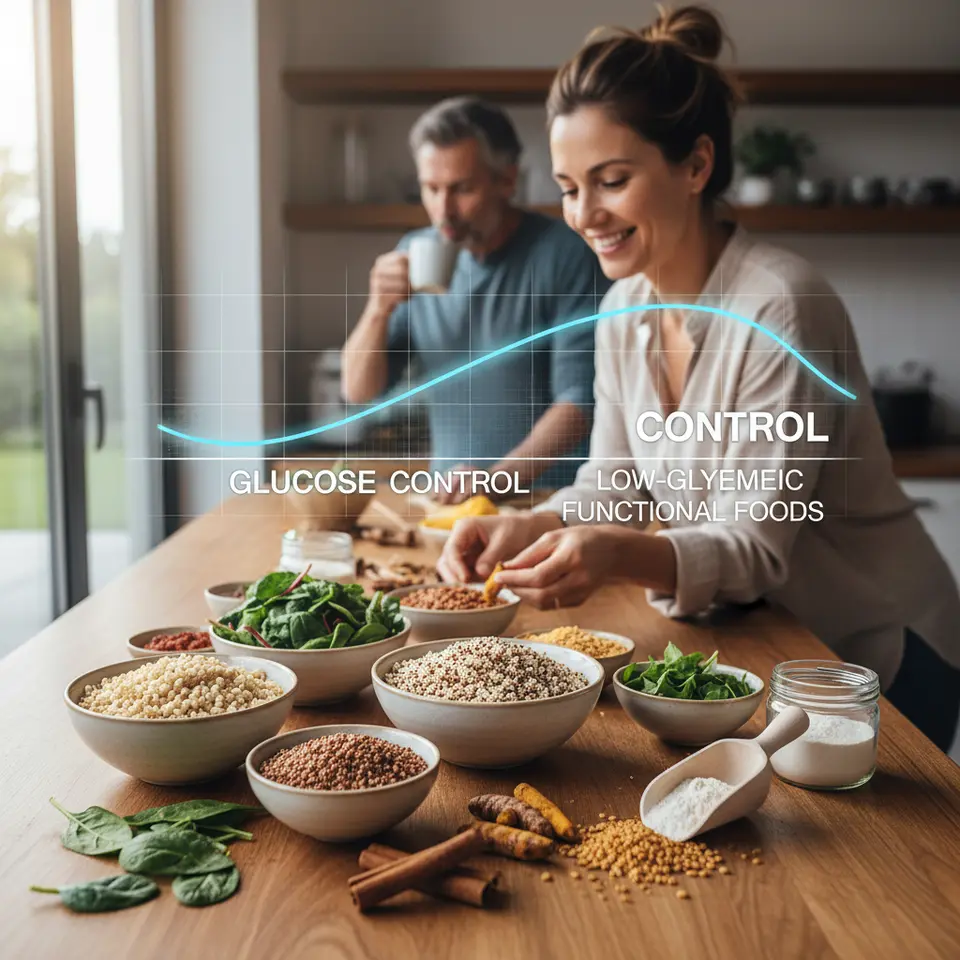
Diet remains foundational when adopting innovative diabetes management strategies, yet modern approaches extend beyond simple carb counting. Optimal blood glucose control requires thoughtful selection of macronutrients, meal timing, and inclusion of natural compounds that support metabolic balance. By focusing on the quality and timing of food, individuals can reduce glucose excursions and enhance insulin sensitivity.
Embracing Low-Glycemic Choices
Foods that digest slowly prevent rapid spikes in blood sugar. Opt for whole grains like barley and quinoa, legumes such as lentils and beans, and non-starchy vegetables including leafy greens, broccoli, and peppers. Low-glycemic items generally rank below 55 on the glycemic index and contribute to steady energy. For personalized guidance, consult resources from the Centers for Disease Control and Prevention, which offers practical tips on carbohydrate management.
Harnessing Time-Restricted Eating
Limiting the daily eating window to eight to ten hours—a pattern known as time-restricted eating—can improve metabolic flexibility. When confined to a shorter timeframe, insulin levels remain lower during fasting periods, promoting fat utilization and enhancing insulin responsiveness. In this year (2026), clinical trials reveal that consistent meal timing aligns with circadian rhythms, further optimizing blood sugar trajectories.
Tailoring Macronutrient Ratios
Individual responses to protein, fat, and carbohydrates vary significantly. Working with a registered dietitian allows for customized macronutrient ratios based on continuous glucose monitor (CGM) feedback. Some individuals achieve more stable postprandial readings with moderate carb intake and higher healthy fats, while others thrive on a balanced plate of protein, fiber-rich carbs, and unsaturated oils. Tracking meals alongside CGM data can uncover which combinations yield the smallest glucose fluctuations.
Incorporating Functional Foods
Certain natural ingredients exhibit blood glucose–modulating properties. Cinnamon, turmeric, fenugreek, and soluble fiber sources like psyllium husk have shown promise in clinical studies for reducing post-meal spikes. Integrating these into daily meals or supplements can complement macronutrient strategies. Always discuss new additives with your healthcare provider to ensure compatibility with your overall treatment plan.
Practical Meal Planning Tips
Prepare balanced meals in advance to avoid impulse choices that undermine progress. Batch-cook low-glycemic grains, roast colorful vegetables, and portion snacks combining protein and fiber. Use smartphone apps to log meals and monitor their impact on glycemic trends. When dining out, prioritize dishes with lean proteins and mixed vegetables, ask for dressings on the side, and avoid sugary beverages. Consistency in meal composition and timing lies at the heart of effective innovative diabetes management strategies.
Optimizing Physical Activity for Glycemic Benefits
Regular movement is a key pillar within innovative diabetes management strategies, directly influencing insulin sensitivity, glucose disposal, and cardiovascular health. Tailoring exercise regimens to individual needs and metabolic responses magnifies benefits while minimizing injury risk. Instead of generic recommendations, consider personalized protocols that align with your glucose patterns, lifestyle, and preferences.
High-Intensity Interval Training (HIIT)
HIIT alternates short bursts of intense effort with recovery periods, stimulating muscles to take up glucose more efficiently. Studies indicate that brief HIIT sessions—often as short as 10–20 minutes—can lead to significant reductions in HbA1c levels. Examples include alternating sprint intervals on a stationary bike or performing bodyweight circuits with rest breaks. Prioritize safety by gradually increasing intensity under the guidance of an exercise professional.
Resistance and Strength Workouts
Building lean muscle is integral to metabolic control. Resistance exercises like weight lifting, resistance band routines, and bodyweight movements enhance glucose transport into muscle cells, even at rest. Aim for two to three sessions per week, targeting all major muscle groups. Combining compound movements—such as squats, deadlifts, and presses—with progressive overload ensures continual gains and sustained improvements in glycemic regulation.
Non-Exercise Activity Thermogenesis (NEAT)
Beyond formal workouts, daily lifestyle habits contribute significantly to total calorie burn and glucose management. NEAT encompasses movements like taking stairs, parking farther away, walking during calls, and standing intermittently instead of prolonged sitting. Encouraging these micro-activities throughout the day can improve overall insulin action without strenuous effort.
Personalized Movement Scheduling
Leveraging CGM data and wearable trackers allows you to identify optimal times for physical activity. For example, if post-breakfast readings spike, a 15-minute walk or light cycling session after eating may blunt the rise. Conversely, some individuals achieve better overnight stability by exercising in the late afternoon. Align workouts with glucose trends to maximize efficacy and minimize hypoglycemia risk.
Safety and Monitoring
Monitoring blood sugar before, during, and after exercise safeguards against dangerous levels. Keep fast-acting carbohydrates on hand and adjust insulin dosing if advised by your care team. This year (2026), telehealth consultations offer real-time oversight for exercise prescription, ensuring workouts align with medical recommendations. By integrating movement intelligently, you embed one of the most impactful components of innovative diabetes management strategies into everyday life.
Leveraging Technology for Real-Time Diabetes Care
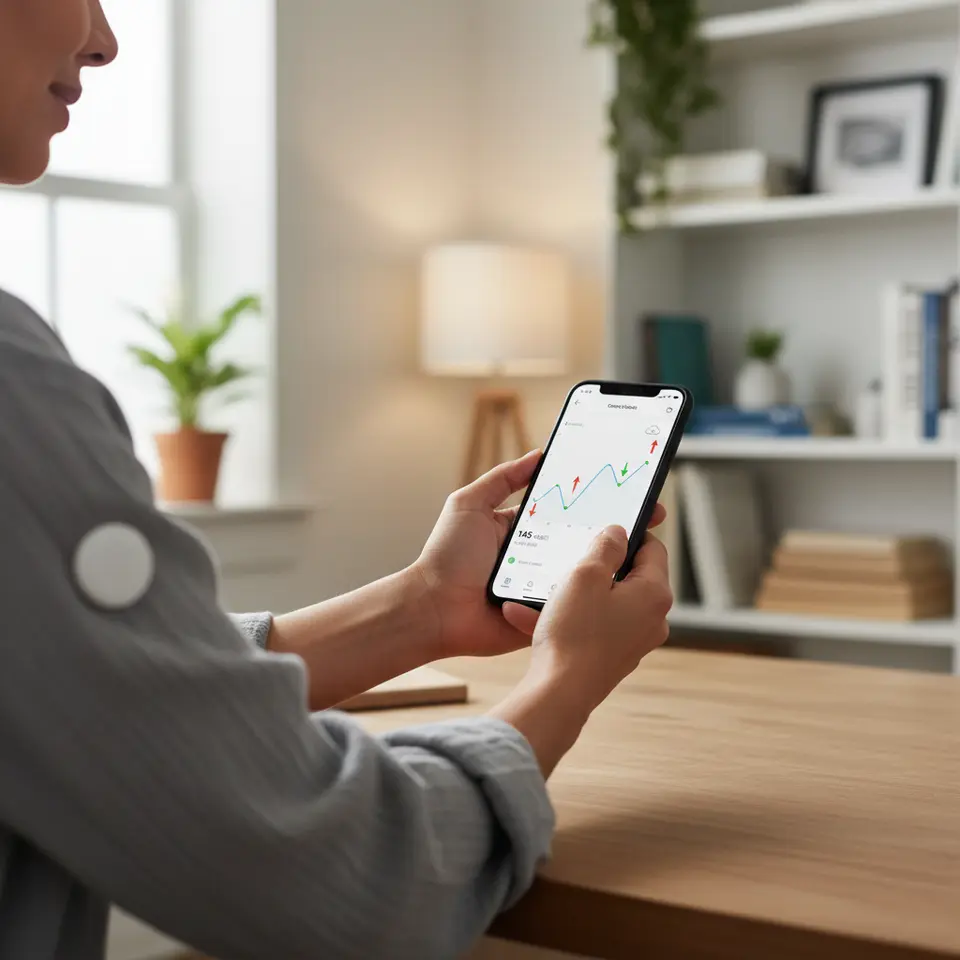
Incorporating technology transforms traditional diabetes management into a data-driven endeavor, one of the core innovative diabetes management strategies today. Digital tools offer continuous feedback, reduce guesswork, and facilitate remote collaboration with healthcare providers. By integrating multiple devices and software platforms, individuals gain comprehensive insights into how lifestyle, medication, and environmental factors interact to shape glycemic trends.
Continuous Glucose Monitoring (CGM)
CGM systems measure interstitial glucose every few minutes, creating dynamic profiles instead of isolated readings. Trend arrows signal impending highs or lows, enabling proactive adjustments to food intake or insulin dosing. Data is typically uploaded to cloud-based portals, where patterns can be reviewed alongside other metrics. Research from the National Institutes of Health highlights CGM’s role in reducing hypoglycemic events and improving time-in-range scores.
Smart Insulin Delivery Tools
Smart insulin pens track dosing history and provide dosing calculators, reducing missed or duplicate injections. Some devices sync with smartphone apps, generating reminders and reports for care teams. Closed-loop insulin pumps, often referred to as artificial pancreas systems, automatically modulate basal insulin based on CGM readings, offering tighter glycemic control with reduced manual inputs.
Comprehensive Mobile Platforms
Several apps now combine meal logging, activity tracking, medication reminders, and glucose records in one interface. These platforms employ machine learning algorithms to predict glucose responses to specific foods or activities, offering personalized recommendations. By centralizing data, users avoid siloed information and gain a holistic view of their diabetes management efforts.
Telemedicine and Virtual Coaching
Telehealth consultations have become a mainstay in diabetes care. Virtual appointments facilitate timely plan adjustments without travel, reduce barriers for rural or mobility-limited patients, and support ongoing education. Many programs feature remote monitoring, enabling clinicians to review glucose and activity data in real time and intervene when necessary. This connected approach exemplifies the collaborative spirit of innovative diabetes management strategies.
Data Privacy and Interoperability
As reliance on digital tools grows, safeguarding personal health information is crucial. Ensure that apps and devices comply with relevant privacy regulations. Favor platforms that allow secure data sharing with multiple stakeholders, including endocrinologists, dietitians, and exercise specialists. Seamless integration among devices and records streamlines insights and enhances decision-making, reinforcing a robust, patient-centered care model.
Personalized Treatment, Stress Management, and Community Backing
Delivering truly individualized care sits at the heart of innovative diabetes management strategies. Recognizing that each person responds differently to treatments, modern protocols integrate genetic testing, advanced medications, stress reduction techniques, and social support frameworks. This holistic approach fosters resilience, adherence, and sustainable improvements in metabolic health.
Medication and Insulin Innovations
Pharmaceutical advances continue to expand treatment options. GLP-1 receptor agonists not only improve glycemic control but also promote weight loss, offering dual benefits for many with Type 2 diabetes. SGLT2 inhibitors facilitate glucose excretion via the kidneys, lowering blood sugar independently of insulin. Ultra-rapid and ultra-long-acting insulins provide flexible dosing schedules and steadier basal coverage. When paired with closed-loop systems, these medications can almost fully automate blood sugar regulation, reducing the cognitive load of daily decision-making.
Managing Stress and Sleep Quality
Chronic stress and poor sleep disrupt hormones like cortisol, which in turn can drive glucose spikes. Incorporating mindfulness practices, meditation, or guided breathing for as little as ten minutes daily can lower stress hormones. Additionally, activities such as yoga or tai chi combine gentle movement with relaxation. Maintaining a consistent sleep schedule—targeting seven to nine hours per night in a dark, cool environment—supports hormonal balance and insulin sensitivity.
Leveraging Personalized Data Insight
Genetic and biomarker testing can illuminate individual risk factors and predict medication response. Data analytics platforms aggregate CGM readings, dietary logs, and activity metrics to reveal actionable patterns. Regular reviews—ideally quarterly—allow patients and clinicians to adjust goals, refine treatments, and celebrate milestones. This iterative cycle of data collection, analysis, and adaptation epitomizes the precision paradigm in diabetes care.
Building Community and Professional Support
Emotional and social backing is essential for long-term success. Peer support groups, both in-person and online, offer practical tips and moral encouragement. Digital communities on social media or dedicated forums enable connection with others facing similar challenges. Educating family members on emergency protocols and daily management empowers them to provide informed assistance. For deeper psychological support, professional counseling can address diabetes-related anxiety, burnout, or depression. When woven together, these resources form a safety net that bolsters self-confidence and accountability.
Collaborative Care Teams
No single provider can address all aspects of diabetes. Collaborative teams—including endocrinologists, registered dietitians, exercise physiologists, and mental health professionals—ensure a well-rounded approach. Telemedicine and secure data-sharing tools allow these experts to coordinate interventions seamlessly. By fostering open communication and shared decision-making, care teams bring the full spectrum of innovative diabetes management strategies to life.
Frequently Asked Questions
What is the difference between CGM and traditional glucose monitoring?
CGM provides continuous data every few minutes, capturing trends and alerting to highs/lows, whereas finger-stick tests offer discrete readings at single moments.
Can time-restricted eating help in both Type 1 and Type 2 diabetes?
Research suggests time-restricted eating can improve insulin sensitivity and metabolic flexibility in Type 2 diabetes; individuals with Type 1 should consult their healthcare team before changing eating windows.
How do I choose the right exercise routine for blood sugar control?
Review your CGM data to identify when your glucose levels spike or dip, then align workouts like HIIT or resistance training to those periods, under professional guidance.
Conclusion
In today’s digital landscape, managing diabetes effectively demands a multifaceted strategy that blends nutrition, exercise, technology, personalized medicine, and social support. By embracing innovative diabetes management strategies—such as low-glycemic diets, targeted physical activity, continuous glucose monitoring, advanced medication options, and collaborative care models—individuals can gain unprecedented control over their blood sugar. Integrating these approaches this year (2026) not only enhances time-in-range and reduces complications, but also empowers patients to live fuller, healthier lives. Strong community networks, professional guidance, and data-driven insights ensure that each person’s plan evolves alongside their needs. Consult your healthcare team to design a tailored roadmap, leverage modern tools, and build sustainable habits. With dedication and the right resources, thriving with diabetes becomes an achievable goal today and for the future.
Ultimately, the journey of diabetes management is deeply personal. Regular self-reflection, consistent monitoring, and willingness to adapt pave the way for meaningful progress. Celebrate small victories—such as improved glucose variability or increased exercise consistency—and use them as motivation to refine your plan. The landscape of diabetes care is evolving rapidly, and staying informed about emerging research and technologies can amplify your success. By prioritizing holistic wellness and leveraging community and clinical partnerships, you lay a strong foundation for long-term metabolic health. Embrace these innovative diabetes management strategies today to take proactive steps toward achieving balanced blood sugar and enhanced well-being.
