


What Is a Vegetarian Diabetic Diet?
A vegetarian diabetic diet is a structured eating plan that combines the principles of vegetarianism with diabetes management. It excludes meat, poultry, and fish while focusing on plant-based foods that help regulate blood sugar levels. This type of diet includes whole grains, legumes, vegetables, fruits, nuts, and dairy or plant-based alternatives. The goal is to provide steady energy without causing sudden spikes in glucose levels. A vegetarian diabetic diet prioritizes low glycemic index foods, high fiber intake, and balanced macronutrients. It is not just about removing animal products but also about choosing nutrient-dense foods that support insulin sensitivity and overall health. Proper planning ensures that the body receives adequate protein, vitamins, and minerals.
Benefits of a Vegetarian Diabetic Diet
Following a vegetarian diabetic diet offers numerous health benefits, especially for people managing diabetes. One of the key advantages is improved blood sugar control due to high fiber intake, which slows glucose absorption. It can also support weight management, reducing the risk of obesity-related complications. A vegetarian diabetic diet is often lower in saturated fats, which helps improve heart health and reduce cholesterol levels. Additionally, plant-based foods are rich in antioxidants that fight inflammation and boost immunity. This diet may also enhance digestive health and promote better gut function. Overall, adopting a vegetarian diabetic diet can lead to long-term improvements in metabolic health and overall well-being when followed consistently.
Essential Foods to Include
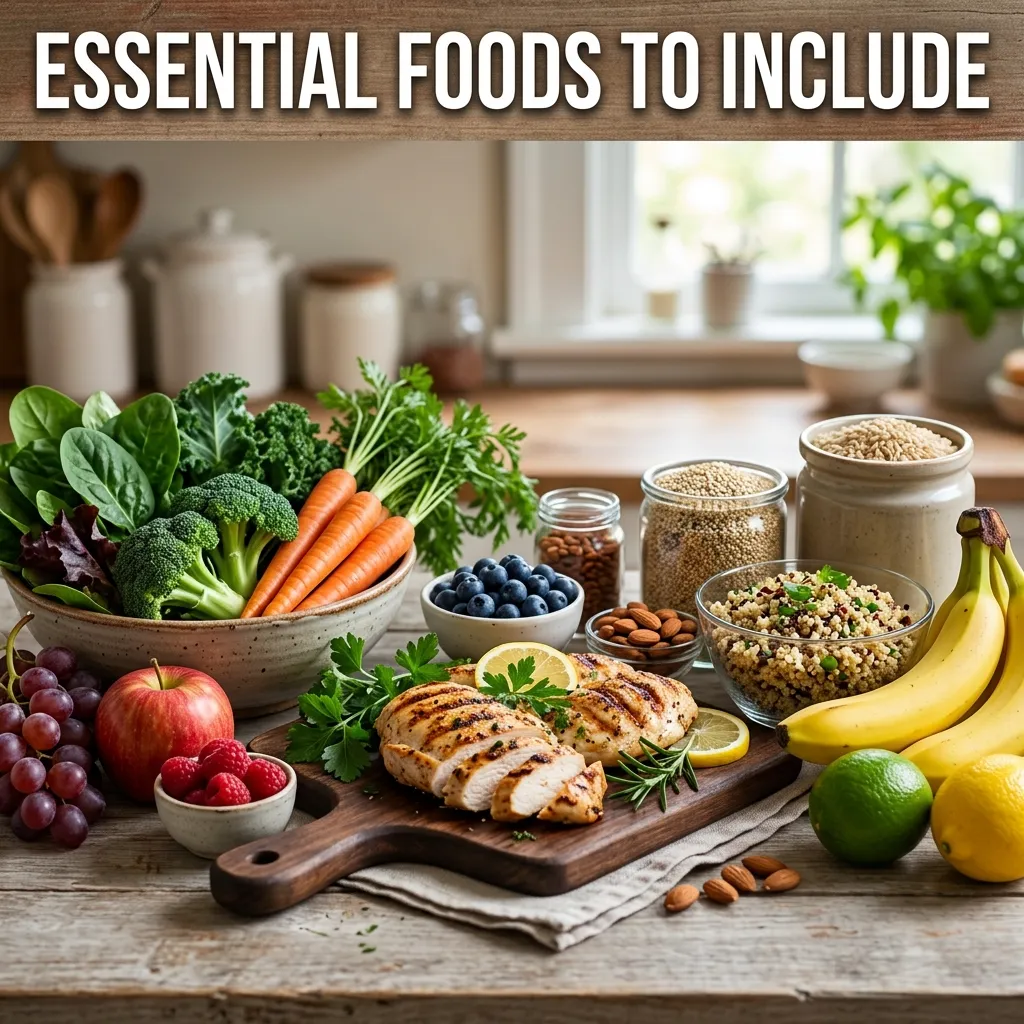 Choosing the right foods is crucial in a vegetarian diabetic diet. Whole grains like brown rice, quinoa, and oats provide slow-releasing carbohydrates that help maintain stable blood sugar levels. Legumes such as lentils, chickpeas, and beans are excellent sources of protein and fiber. Fresh vegetables, especially leafy greens, are low in calories and rich in nutrients. Fruits should be consumed in moderation, focusing on low glycemic options like berries and apples. Nuts and seeds provide healthy fats and protein, supporting satiety and energy balance. Dairy or plant-based alternatives can add calcium and protein. A well-rounded vegetarian diabetic diet ensures variety, making meals both nutritious and enjoyable while supporting consistent glucose control.
Foods to Avoid or Limit
In a vegetarian diabetic diet, it is equally important to know which foods to limit or avoid. Refined carbohydrates such as white bread, pastries, and sugary snacks can cause rapid spikes in blood sugar levels. Processed vegetarian foods, including packaged meals and meat substitutes, may contain hidden sugars and unhealthy fats. Sugary beverages like soda and fruit juices should be minimized. High-glycemic foods such as white rice and potatoes should be consumed in controlled portions. Even natural sweeteners like honey and jaggery need moderation. A vegetarian diabetic diet focuses on whole, minimally processed foods to ensure stable glucose levels and better health outcomes. Making mindful choices helps maintain balance and prevent complications.
Sample Daily Meal Plan
A structured meal plan can make a vegetarian diabetic diet easier to follow. Breakfast might include oatmeal topped with nuts and seeds, providing fiber and protein. Lunch could consist of a quinoa salad with mixed vegetables and chickpeas. For dinner, a bowl of lentil curry with brown rice and steamed vegetables works well. Snacks can include fresh fruits, yogurt, or a handful of almonds. This balanced approach ensures a steady intake of nutrients throughout the day. A vegetarian diabetic diet benefits from portion control and meal timing, which help prevent blood sugar fluctuations. Planning meals ahead of time can reduce stress and support consistent, healthy eating habits.
Importance of Glycemic Index
 Understanding the glycemic index (GI) is essential when following a vegetarian diabetic diet. The GI measures how quickly foods raise blood sugar levels. Low-GI foods release glucose slowly, helping maintain steady energy and preventing sudden spikes. Examples include whole grains, legumes, and non-starchy vegetables. High-GI foods, such as refined grains and sugary items, can lead to rapid increases in blood sugar. A vegetarian diabetic diet emphasizes incorporating more low-GI foods to improve blood sugar control. Combining foods, such as pairing carbohydrates with protein or healthy fats, can further reduce the glycemic impact. Learning to manage GI effectively allows individuals to make smarter food choices and maintain long-term diabetes control.
Common Mistakes to Avoid in a Vegetarian Diabetic Diet
Following a vegetarian diabetic diet can be highly effective, but certain common mistakes may reduce its benefits. Many people assume all vegetarian foods are healthy, but processed options and refined carbs can still spike blood sugar levels. Skipping protein or relying too much on high-carb foods can also disrupt balance. Understanding these pitfalls helps create a more sustainable and effective plan. A mindful approach ensures better glucose control and overall health. By identifying and correcting these mistakes early, individuals can improve their dietary habits and maintain long-term success with a vegetarian diabetic diet.
Common mistakes include:
- Overeating refined carbohydrates like white bread and pasta
- Ignoring portion sizes
- Relying heavily on processed vegetarian foods
- Not consuming enough protein
- Skipping meals or eating irregularly
| Mistake | Impact on Health | Better Alternative |
|---|---|---|
| Refined carbs consumption | Blood sugar spikes | Choose whole grains |
| Processed vegetarian foods | Hidden sugars and fats | Opt for fresh, whole foods |
| Low protein intake | Poor satiety and glucose control | Add legumes, tofu, or dairy |
| Skipping meals | Energy imbalance | Maintain regular meal timing |
Role of Protein in the Diet
Protein plays a vital role in a vegetarian diabetic diet by supporting muscle health and stabilizing blood sugar levels. Plant-based protein sources such as lentils, beans, tofu, tempeh, and dairy products provide essential amino acids. Including protein in every meal helps slow the absorption of carbohydrates, reducing blood sugar spikes. It also promotes satiety, which can prevent overeating and support weight management. A vegetarian diabetic’s diet should aim for balanced protein intake throughout the day rather than consuming it all in one meal. Combining different plant-based protein sources ensures complete nutrition. Proper protein intake is key to maintaining energy levels and overall metabolic health.
Importance of Fiber-Rich Foods
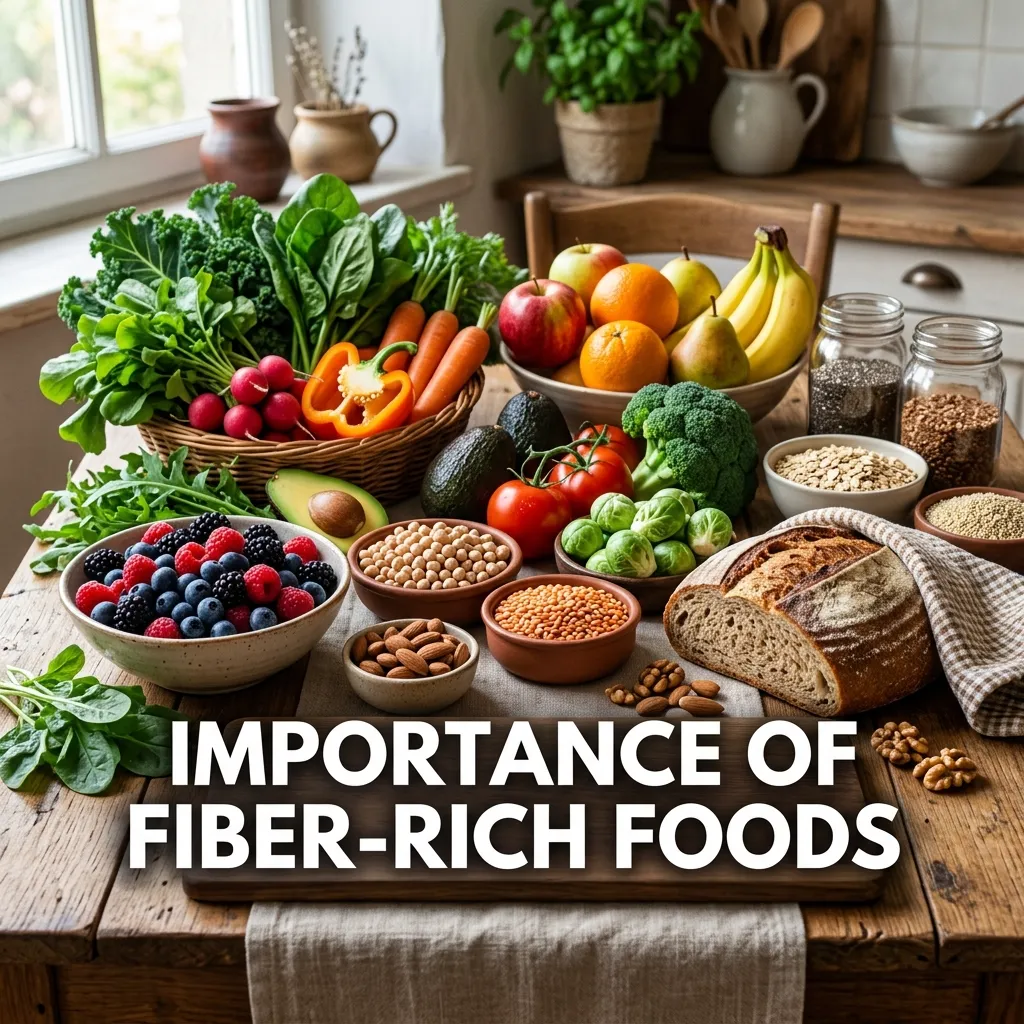 Fiber is a cornerstone of a vegetarian diabetic diet because it helps regulate blood sugar and improve digestion. High-fiber foods slow down the absorption of sugar, preventing sudden spikes in glucose levels. Whole grains, legumes, fruits, vegetables, nuts, and seeds are excellent sources of dietary fiber. This nutrient also supports heart health by lowering cholesterol levels. A vegetarian diabetic diet rich in fiber promotes a feeling of fullness, reducing the likelihood of overeating. Additionally, fiber supports gut health and enhances nutrient absorption. Gradually increasing fiber intake while staying hydrated is important to avoid digestive discomfort. Consistent fiber consumption contributes to better diabetes management.
Tips for Long-Term Success
Maintaining a vegetarian diabetic diet requires consistency and mindful habits. Planning meals helps ensure balanced nutrition and prevents impulsive food choices. Reading food labels can help identify hidden sugars and unhealthy ingredients. Staying hydrated and incorporating regular physical activity also supports blood sugar control. It is important to monitor glucose levels and adjust the diet as needed. A vegetarian diabetic diet should be flexible and enjoyable to ensure long-term adherence. Seeking guidance from a nutritionist can provide personalized recommendations. Building a sustainable routine with healthy habits will make it easier to manage diabetes effectively while enjoying a plant-based lifestyle.
